By
By 
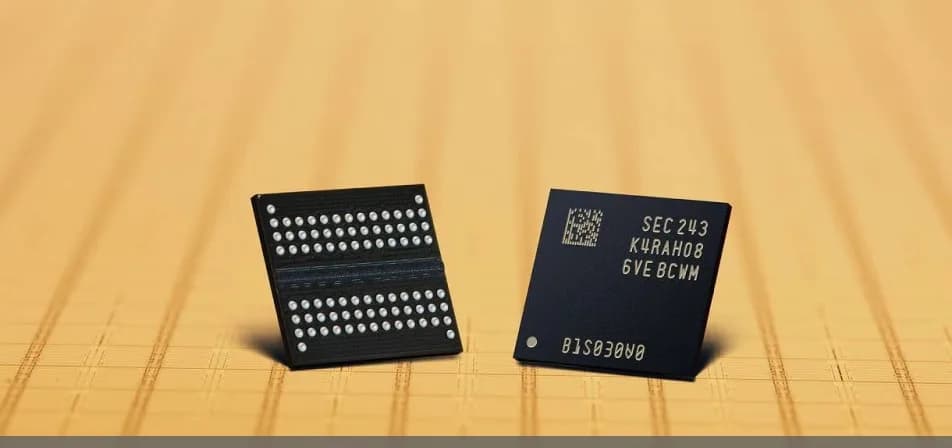
SK Hynix is in exploratory discussions with Intel about producing memory chips in the United States, potentially creating a domestic source of components used in Apple devices and other consumer electronics. Reuters reported that the talks are at an early stage, with no agreement reached and several possible arrangements still under consideration.
One possibility would have SK Hynix lease part of Intel’s planned manufacturing complex in Ohio. Another option would create a joint venture involving Intel and major cloud providers that want to secure reliable memory supplies. The companies could also pursue a different structure.
Why SK Hynix is considering U.S. production
The discussions come as spending on artificial intelligence infrastructure increases demand for memory chips. Manufacturers are directing more production capacity toward high-bandwidth memory, or HBM, which is used with AI processors. That shift is leaving makers of smartphones and computers competing for a smaller share of available memory production.
SK Hynix supplies Apple alongside Samsung and Micron. A U.S. manufacturing arrangement could eventually help address supply concerns, although the discussions do not establish that any chips made through a potential Intel agreement would be used in Apple products.
Which memory chips could be produced?
It is not yet clear what type of memory SK Hynix would make under a possible agreement. The company produces DRAM for smartphones, computers and servers, as well as NAND flash storage and HBM for AI systems.
That distinction matters because the various memory technologies serve different purposes. DRAM supports active computing tasks, NAND provides storage, and HBM is designed to move large amounts of data for advanced processors. The current discussions do not identify a target product or production schedule.
Apple faces wider memory supply pressure
Apple has reportedly been dealing with higher memory costs and constrained supplies. In February, the company was reported to have agreed to pay Samsung twice as much for memory needed for iPhone 17 production.
Analyst Ming-Chi Kuo has also said Apple was reducing its 2026 hardware shipment plans because of DRAM shortages. The reported constraints affect products including the Mac Studio, Mac mini and MacBook Air.
SK Hynix already has a U.S. packaging project
SK Hynix is separately building an advanced packaging facility in West Lafayette, Indiana. That site is expected to package DRAM wafers produced in South Korea into HBM chips. It is not currently described as a facility that would fabricate memory wafers domestically.
A potential arrangement with Intel would therefore represent a different step toward U.S. memory manufacturing. For now, however, the companies have not announced a final deal, the type of memory to be produced, or whether cloud providers would participate.