By
By 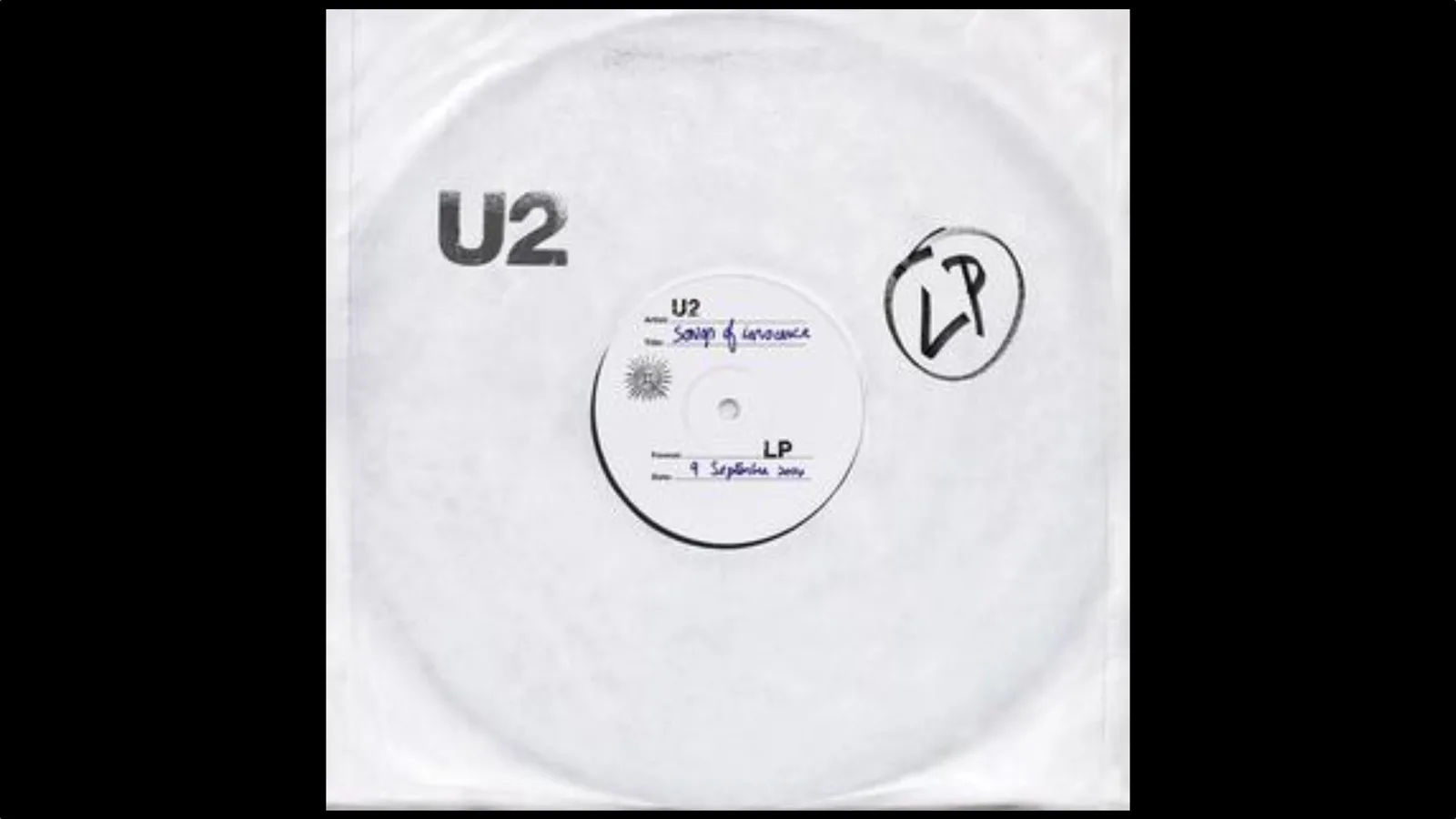
Twelve years ago, Apple did something unusual: it built a dedicated web page whose only purpose was to help users get rid of an album they never asked for. The tool, launched on September 15, 2014, let iTunes customers strip U2's Songs of Innocence from their accounts after the free release triggered widespread complaints.
How the free album ended up on everyone's device
The story began at Apple's iPhone 6 event on September 9, 2014, when CEO Tim Cook announced that U2's new album would be given to every iTunes customer at no charge. Rather than simply making it available to download, Apple linked the album directly to user accounts. Devices configured to download purchases automatically pulled it down without any prompt or consent from the owner.
What Apple likely intended as a generous promotional gift quickly turned into a public relations headache. Many users were unhappy to find an album they had not chosen sitting in their libraries, and the automatic delivery raised questions about how much control people actually had over their own accounts.
The one-click removal page
Facing a steady stream of complaints, Apple responded within days. On September 15, 2014, it published a support page that let users remove Songs of Innocence from their accounts with a single click. To soften the reversal, Apple gave those users a one-month window to reinstall the album for free if they changed their minds.
Despite the backlash, the giveaway reached a large audience. Apple said 26 million people ultimately downloaded the complete album. U2 frontman Bono issued an apology about a month after the launch, acknowledging that the surprise distribution had not landed the way the band and Apple had hoped.
Why the episode still matters
The removal tool itself is no longer active, though an archived version of the original support page remains accessible online. The incident endures as a cautionary example of how even well-intentioned freebies can misfire when users are not given a choice.
The episode also foreshadowed broader conversations about consent and default settings that continue today. Automatically pushing content to millions of devices, even at no cost, underscored how much trust customers place in the companies managing their accounts and how quickly that trust can be tested. For Apple, a company that prizes its reputation for user control and privacy, the U2 rollout stands out as a rare public misstep that required an equally public fix.
More than a decade later, the saga is remembered less for the music and more for the unusual solution: a piece of software built specifically to undo a gift.