By
By 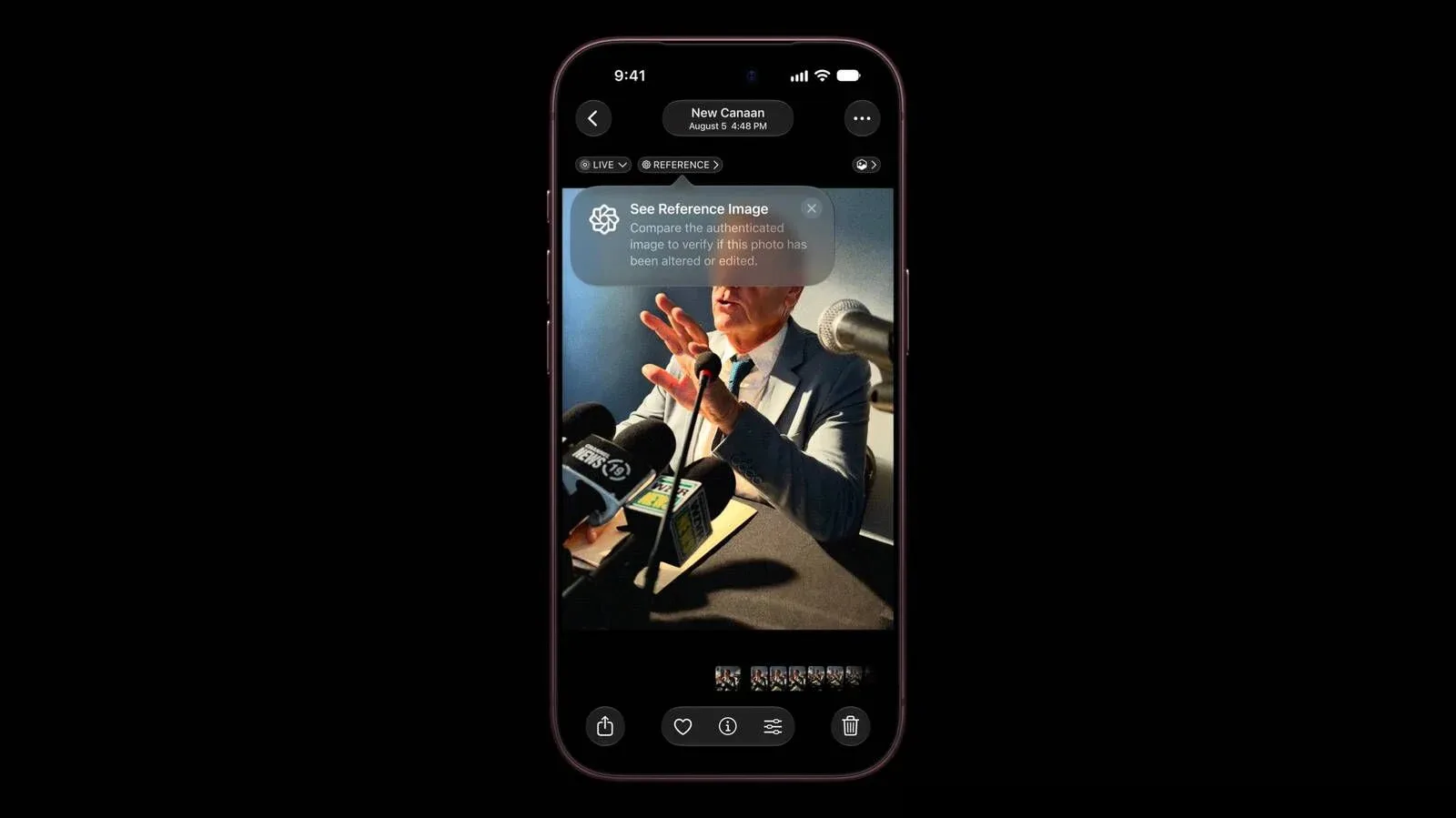
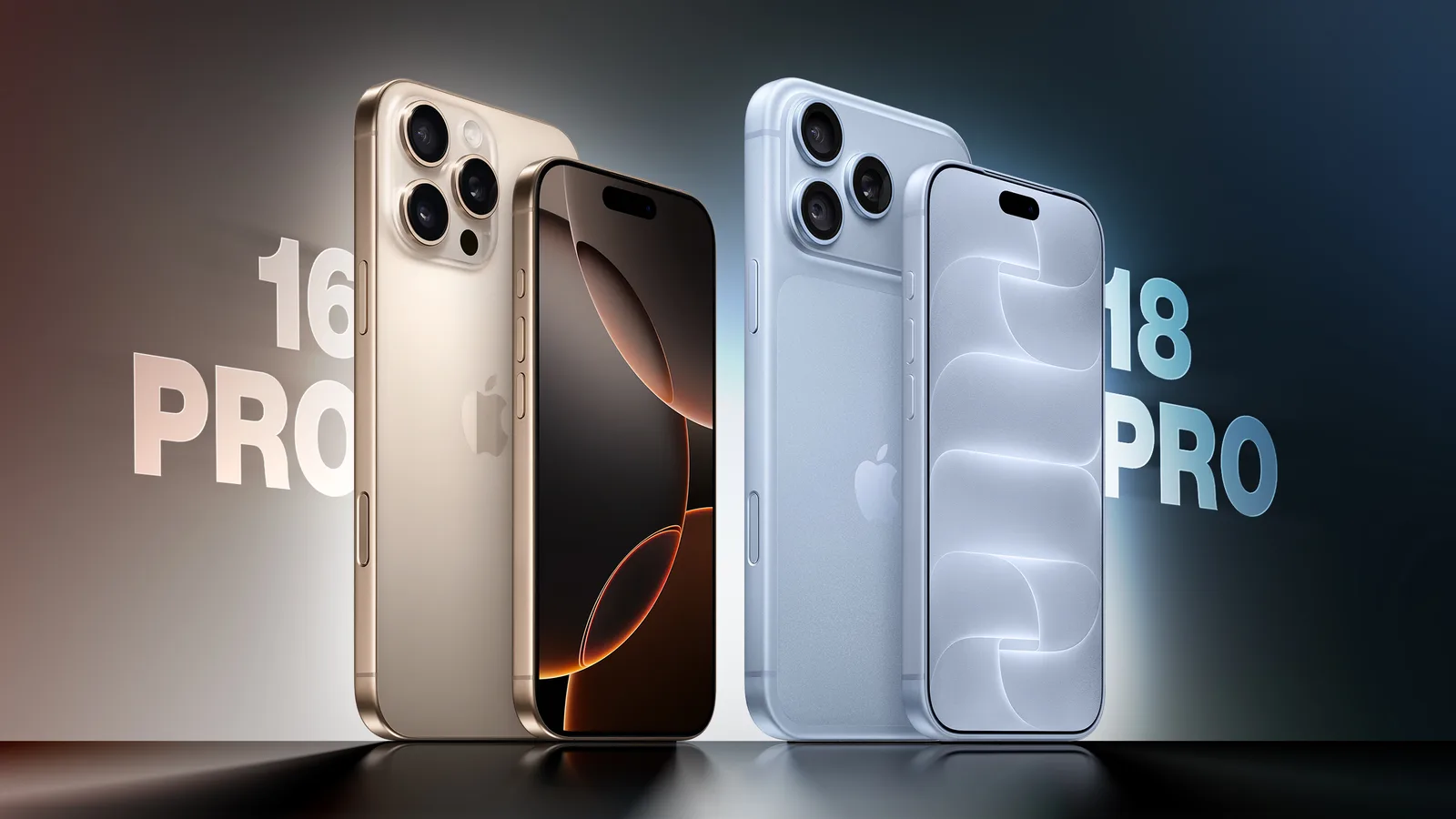
Apple has published a technical breakdown of Apple Reference Image, a new feature exclusive to the iPhone 18 Pro and iPhone 18 Pro Max that is designed to prove a photograph is genuine and was not produced by artificial intelligence. In a post on its Security Research blog, the company described the system as a modern equivalent of a film negative, offering what it calls a verifiable guarantee that an image was captured by a real sensor at a specific moment in time.
How Apple Reference Image works
According to Apple, the feature relies on booting the camera sensor into a specialized reference mode. In this mode, the sensor cryptographically signs the pixel data immediately after capture, and its firmware is blocked from altering the data. Apple contrasts this with other authentication systems that only sign images at the end of the software processing pipeline, a delay the company says leaves photos exposed to tampering.
The result is what Apple describes as a "secure digital negative," created alongside a standard editable photo. This negative is stored on the device and contains the raw pixel data, sensor metadata, and cryptographic timestamps with lower and upper bounds. When a user chooses to "develop" the negative to verify it, the unprocessed file is sent to Private Cloud Compute, which renders the image in what Apple says is a secure, private, and verifiable environment.
Built to resist tampering
Apple claims the feature can withstand data injection attacks, compromised operating systems, hardware attacks, and cryptographic attacks. The company also says Apple Reference Image is the only image provenance system with quantum-secure defenses.
To handle cases where the system is breached, Apple has built in a revocation option. Private Cloud Compute calculates a confidence score for each image, and Apple says it can revoke individual photos or an entire sensor if fraud is detected.
Privacy considerations
Apple has designed the system to protect photographers as well as the images themselves. The feature avoids using an explicit, public credential tied to a photographer, and it prevents anyone from publicly linking different photos taken by the same sensor. Apple says the confidentiality of an image is protected, including from Apple itself.
The feature is opt-in and is limited to the Main camera sensor. Apple introduced Apple Reference Image when it unveiled the iPhone 18 Pro and Pro Max, and the latest blog post expands on the underlying mechanics.
Why it matters
As generative AI tools make it increasingly easy to fabricate convincing images, tools that can establish the authenticity of a photograph are becoming more valuable to journalists, courts, and everyday users. By signing data at the sensor level rather than after processing, Apple is positioning Reference Image as a stronger form of provenance than existing approaches. Whether the feature gains wider adoption will depend on how it is used beyond the iPhone and whether other platforms recognize its verification.