By
By 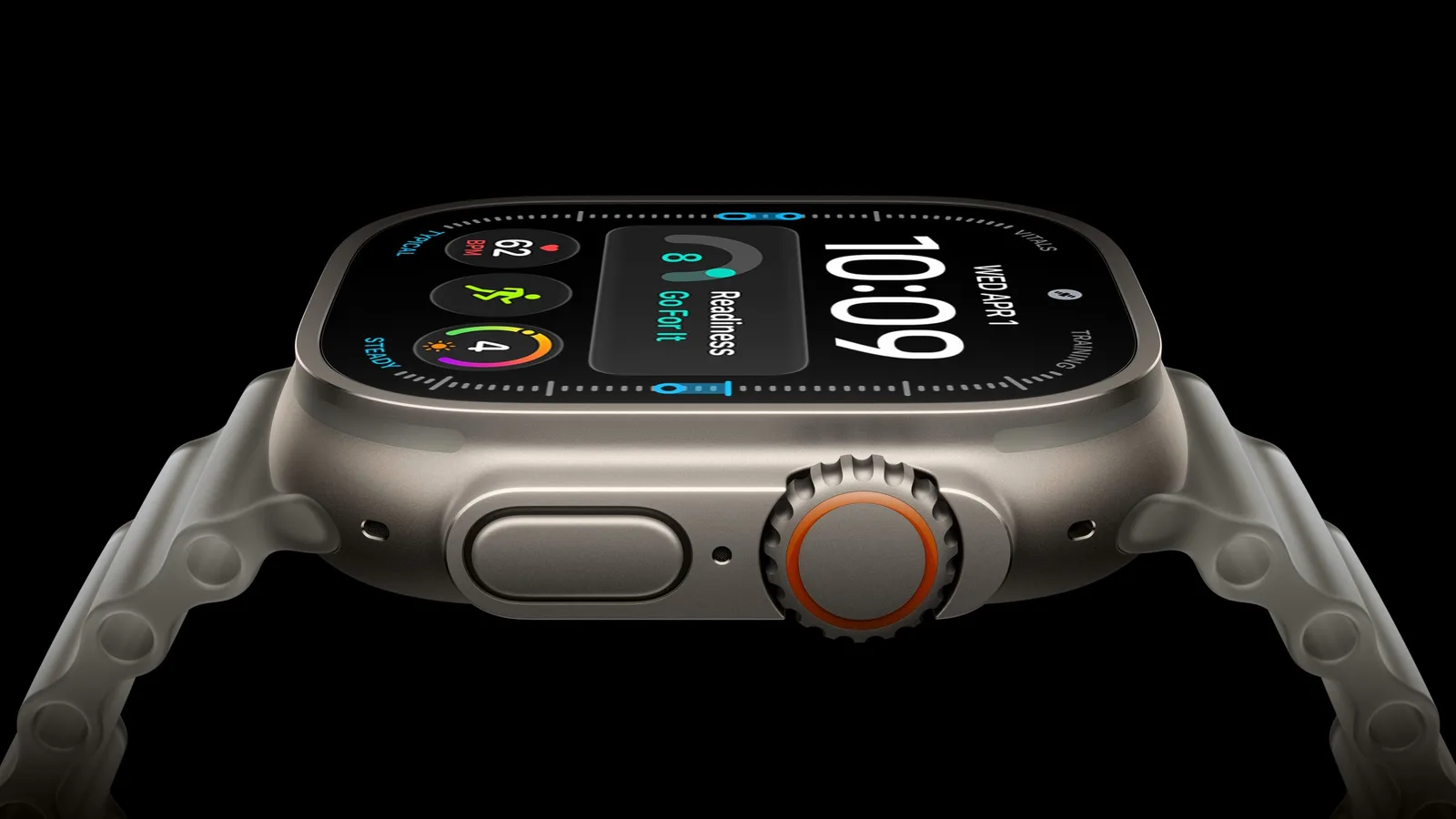
The Apple Watch Ultra 4 is a substantial step forward from the original Apple Watch Ultra, even though both models retain the same 49mm titanium design, Action button, siren, dual-frequency GPS, and support for recreational diving to 40 meters. Starting at $799, the newer model brings four generations of improvements, including a larger display, more health monitoring, satellite connectivity, a newer processor, and longer battery life.
For owners of the first-generation Ultra, upgrading is not essential if the existing watch still handles daily use and workouts comfortably. However, the Ultra 4 becomes a much stronger option when battery life, health tracking, outdoor connectivity, or the latest watchOS features are becoming limitations.
What changes between the Ultra 1 and Ultra 4?
The Ultra 4 has a 5% larger display with thinner borders, a maximum brightness of 3,000 nits, and a 1-nit minimum brightness. Its wide-angle OLED panel also supports 1Hz always-on updates, allowing compatible watch faces to show ticking seconds. The original Ultra reaches 2,000 nits and updates its always-on display once per minute.
Performance and storage also improve. The Ultra 4 uses an S11 chip, includes 4GB of RAM and 64GB of storage, and adds a four-core Neural Engine. The first-generation model has an S8 chip, 1GB of RAM, and 32GB of storage. The newer watch also includes a second-generation Ultra Wideband chip and Precision Finding support for compatible iPhone models and accessories.
Health and workout improvements
Health tracking is one of the most meaningful differences. Apple gives the Ultra 4 a Health Sensing System with newer electrical and always-on optical heart sensors. It measures heart rate in the background every five seconds and provides more frequent heart-rate variability and Recovery HRV measurements.
The Ultra 4 also adds daytime Vitals data alongside overnight information, plus sleep apnea and hypertension notifications. The original Ultra offers background heart-rate measurements, HRV tracking, overnight Vitals, and a Readiness app, but it does not include those newer notifications.
Workout tracking improves as well, with more accurate all-day step and indoor-distance measurements. Extended Workout mode can provide up to 25 hours of tracking with full GPS and heart-rate readings, while Max Extended Workout mode can reach up to 45 hours using GPS readings every second.
Battery life, connectivity, and software support
Battery life is a practical reason to upgrade. Apple rates the Ultra 4 for up to 50 hours of normal use, compared with up to 36 hours for the original. Low Power Mode reaches up to 84 hours on the newer model, versus 72 hours on the first-generation watch. The Ultra 4 also supports up to 18 hours of standard outdoor workout tracking, compared with 12 hours for the Ultra 1.
Charging is faster, too. The Ultra 4 reaches 80% in about 45 minutes, while the original takes about an hour. Five minutes of charging can provide up to 10 hours of sleep tracking, according to Apple.
The newer model adds satellite connectivity for Emergency SOS, Messages, and Find My, along with 5G cellular support and improved weak-signal reception. It also supports features such as on-device Siri for supported requests, Audio Intelligence, Live Translation in Messages, and an enhanced Workout Buddy when paired with a compatible Apple Intelligence-enabled iPhone.
Software support may be the biggest long-term difference. The first-generation Ultra supports watchOS 26 but cannot run watchOS 27, while the Ultra 4 supports the newer release and its Siri app, dynamic app grid, updated Smart Stack suggestions, Call Context, and consolidated Find My app.
Should Ultra 1 owners upgrade?
Owners can reasonably keep the original Ultra for another year if its battery still lasts through normal days and regular workouts. It continues to support notifications, activity tracking, navigation, and its existing core features, despite missing the latest major watchOS release.
The Ultra 4 is easier to justify for users whose battery no longer covers long outings, who train for extended periods, travel beyond cellular coverage, or want more detailed health and recovery information. The brighter display, faster charging, improved gestures, and expanded finding tools also make the upgrade more noticeable in everyday use.
In short, the Ultra 1 remains usable, but the Ultra 4 offers a broad rather than revolutionary upgrade. If the original watch is still reliable, waiting may be sensible. If battery life, health alerts, satellite safety features, or watchOS 27 matter now, the Ultra 4 is the stronger choice.