By
By 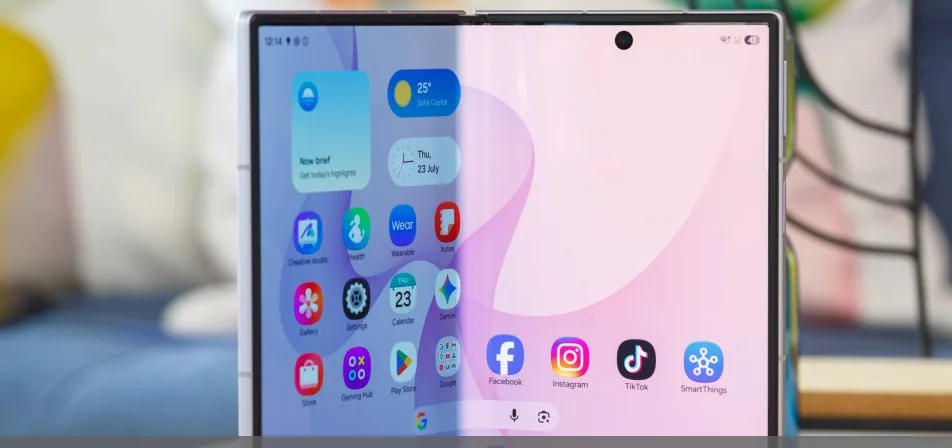
Samsung is reportedly seeking an additional supplier for the display driver integrated circuits used in its smartphones after production constraints affected Galaxy Z Fold8 output. According to a ZDNet Korea report, the company is considering GlobalFoundries alongside its existing DDI supplier, United Microelectronics Corporation (UMC).
The reported search follows a supply problem that emerged as Samsung struggled to meet demand for the Galaxy Z Fold8. Samsung requested more display driver chips last month, but UMC reportedly could not increase deliveries because its manufacturing lines were already operating at full capacity. Samsung subsequently reduced its September production plans for the foldable phone, with the shortage also affecting revenue figures.
Why display driver chips matter
Display driver integrated circuits sit between a phone’s processor and its display panel. They translate image data into the electrical signals needed to control the screen’s individual sub-pixels, including their color and brightness.
Samsung Display’s explanation of display operation shows how these chips work with thin-film transistors in the panel. Although DDIs are not as visible to consumers as a phone’s processor or screen, a shortage can still limit the number of complete devices a manufacturer can assemble.
GlobalFoundries could become a second source
The ZDNet Korea report says Samsung is actively evaluating GlobalFoundries as another DDI supplier. The company is reportedly interested in GlobalFoundries’ 22-nanometer and 28-nanometer manufacturing facilities.
Adding a second source would give Samsung more flexibility if demand rises or UMC cannot provide enough chips. It could also reduce the risk that a capacity problem at one supplier would directly limit production of a Galaxy device.
Potential Galaxy A-series use
Samsung is reportedly considering using GlobalFoundries-produced DDIs in entry-level Galaxy A-series phones by the end of 2027. The report does not indicate that Samsung has finalized the arrangement, and it does not provide details about expected production volumes or specific A-series models.
For now, the immediate issue is the reported impact on Galaxy Z Fold8 manufacturing. Samsung’s interest in expanding its supplier pool suggests the company is looking beyond the current bottleneck and trying to build more resilience into its display component supply chain.