By
By 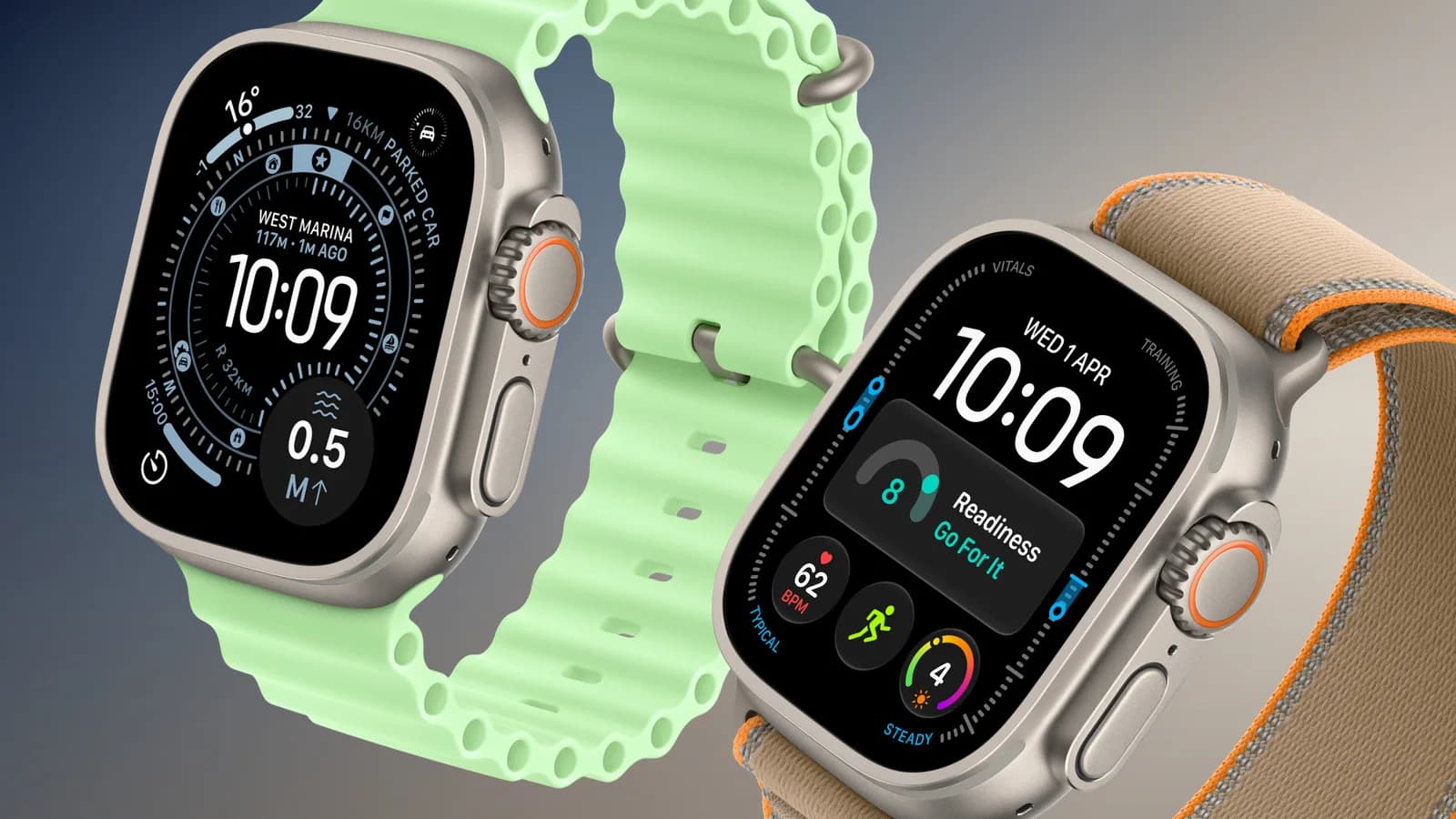
The Apple Watch Ultra 4 is now available for preorder ahead of its September 18 launch, bringing expanded health tracking, a newer chip, more memory, and longer battery life. It starts at $799, matching the Apple Watch Ultra 3’s original price, while the previous model has been discontinued.
The Ultra 4 keeps the same basic design and display introduced with the Ultra 3. The newer model instead focuses on more frequent health measurements, endurance improvements, and new Audio Intelligence tools. For existing Ultra 3 owners, however, the upgrade case depends largely on how they use health and fitness features.
Apple Watch Ultra 4 versus Ultra 3: What changed?
The Ultra 4 replaces the Ultra 3’s S10 chip with an S11 chip and doubles memory from 2GB to 4GB. Its health hardware is also upgraded. The watch includes a Health Sensing System with a second-generation electrical heart sensor and an always-on optical heart sensor.
Background heart-rate readings are taken every five seconds, or 60 times more frequently than on the Ultra 3. The Ultra 4 also measures recovery heart-rate variability and overall HRV up to 24 times more often. Its Vitals app adds HRV and a daytime vitals view to the existing heart rate, respiratory rate, wrist temperature, and sleep-duration information.
Other fitness changes include more accurate step tracking and indoor workout distance measurements. The Ultra 4 also adds a real-time heart-rate complication, while Audio Intelligence features include Live Rewind, Siri Recap, Sound Recognition, and automatic music identification through Shazam. Live Rewind and Siri Recap are expected to arrive in beta later this year and require a compatible newer iPhone.
Battery life and workout tracking
Battery life is one of the more practical improvements. The Ultra 4 is rated for up to 50 hours of normal use, compared with 42 hours for the Ultra 3. Low Power Mode extends the newer model to 84 hours, versus 72 hours on the previous generation.
For outdoor workouts, the Ultra 4 provides up to 18 hours of standard tracking. Low Power Mode with full GPS and heart-rate readings reaches up to 25 hours, while Extended Workout mode can last up to 45 hours with GPS readings retained every second. The Ultra 3 is rated for up to 14 hours of standard outdoor workout tracking and up to 20 hours in its comparable low-power configuration.
Charging is faster in practical terms, too. A 15-minute charge provides up to 18 hours of normal use on the Ultra 4, compared with 12 hours on the Ultra 3. Five minutes of charging supports up to 10 hours of sleep tracking, versus eight hours on the older model.
Should Ultra 3 owners upgrade?
For most Ultra 3 owners, upgrading is difficult to justify if the existing watch lasts through daily use and regular workouts. The Ultra 3 already offers the large display, rugged design, satellite connectivity, and core health features associated with the Ultra line.
The strongest upgrade argument is more detailed recovery tracking. Users who actively adjust training based on Readiness and Recovery HRV may benefit from the Ultra 4’s more frequent measurements. Endurance athletes also have a clearer reason to upgrade if they regularly need to change settings or recharge during long events.
Sound Recognition could be especially useful for deaf or hard-of-hearing users. Live Rewind and Siri Recap are less compelling reasons to replace a year-old watch immediately because they are not yet generally available.
Which Apple Watch Ultra should you buy?
The Ultra 4 is the default choice for new buyers when the price difference is small. Its newer processor, additional memory, longer battery life, and expanded health features offer more value for people planning to keep the watch for several years.
The Ultra 3 becomes more appealing when discounted heavily. It still provides a large screen, satellite connectivity, and enough battery life for everyday wear and regular workouts. Buyers considering a used or refurbished model should check battery condition and warranty coverage, since a degraded battery can reduce the value of the deal.