By
By 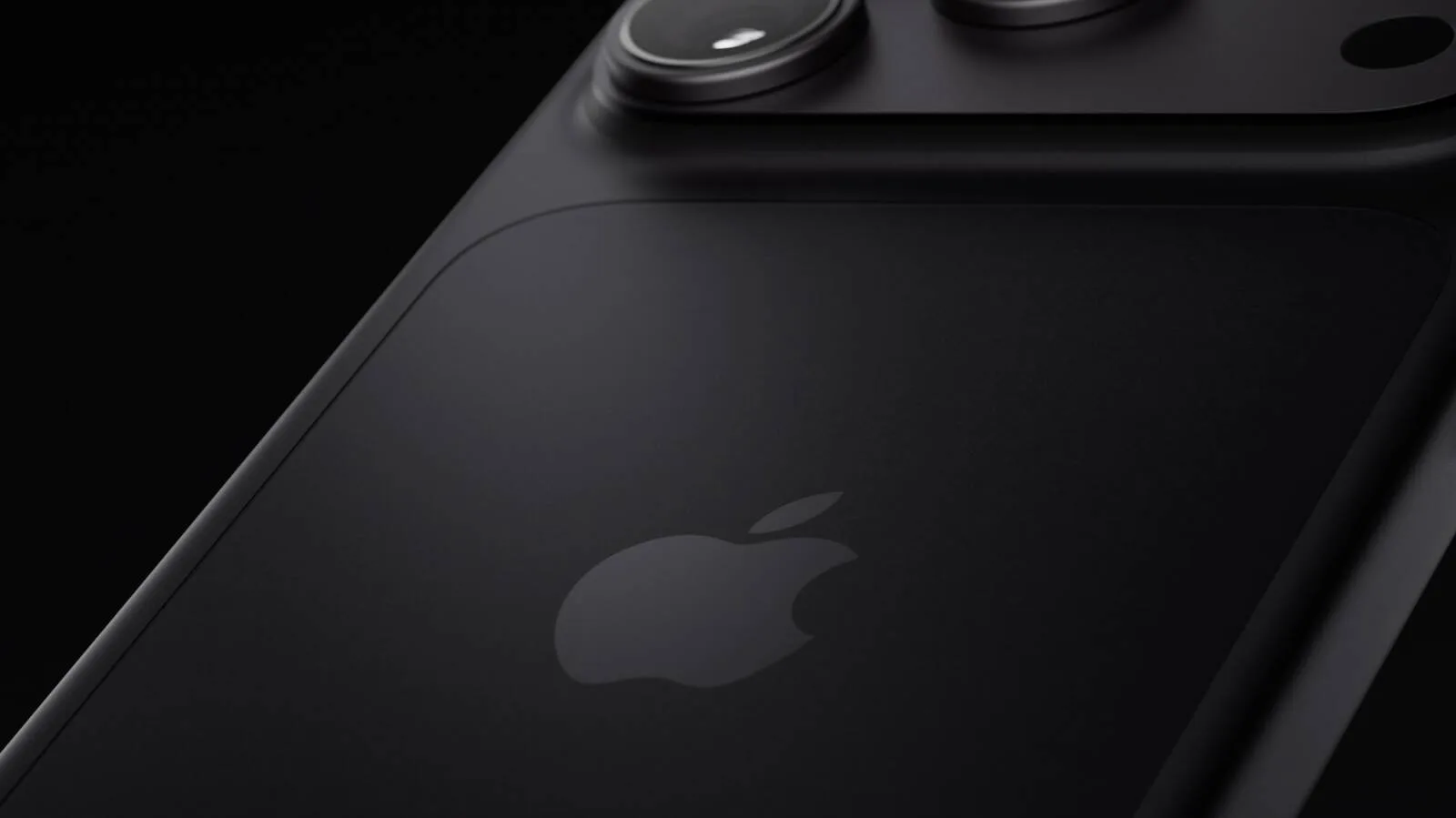
Apple has quietly revised the technical specifications pages for its latest flagship phones, confirming an unusual split: the iPhone 18 Pro ships with the company's new in-house C2 cellular modem everywhere, but the larger iPhone 18 Pro Max only uses the C2 outside the United States.
The change was spotted by Nicolas Lellouche of the French technology site Numerama, who noticed the modem wording differed between the two Pro models on Apple's own pages. Apple has not explained the discrepancy, and the company does not name the alternative component used in US units.
iOS 27 code points to a Qualcomm chip
Evidence for what is inside American units comes from the tipster @itspdfu, who has spent recent weeks combing through Apple's software releases. According to that account, code in iOS 27 indicates the US configuration of the iPhone 18 Pro Max carries a Qualcomm modem rather than Apple's C2.
The specific Qualcomm part has not been identified, though the Snapdragon X85 is the most probable candidate given its position in Qualcomm's current lineup. Real-world speed and efficiency comparisons between the two modems should start to emerge over the coming weeks as devices reach buyers and reviewers.
Why Apple might still be buying from Qualcomm
Any explanation is speculative for now, but there is an obvious contractual angle. In 2023, Qualcomm announced a chip supply agreement covering smartphone modems for Apple devices through 2026. Restricting a single high-volume model in a single market to Qualcomm silicon would be one way for Apple to satisfy that commitment while keeping its own modem in as many products as possible.
That framing fits Apple's broader trajectory. The company has been methodically replacing Qualcomm parts since the first-generation C1 modem arrived in the iPhone 16e in February 2025. The second-generation C1X followed in the iPhone Air in September 2025, and the C2 now represents the third iteration in roughly 18 months.
What the C2 changes
The C2 is the first Apple modem to support mmWave 5G in the United States, a gap that held back the C1 and C1X. Qualcomm modems in iPhones going back to the iPhone 12 have handled mmWave, so on that specific capability Apple is closing a long-standing deficit rather than leapfrogging its supplier.
Apple says the C2 delivers meaningfully faster upload performance than the C1X while drawing 15 percent less energy. Lower modem power draw matters disproportionately in phones, since cellular radios are among the largest consumers of battery capacity during everyday use.
Apple's foldable iPhone Duo uses the C2 modem in all markets, underlining that the US iPhone 18 Pro Max is the outlier in the current lineup rather than the start of a broader retreat.
Does it matter for buyers?
For most customers the practical difference is likely to be small, and both chips support the same headline network technologies including mmWave in the US. Still, modem choice can influence signal retention in weak coverage, upload throughput and battery endurance, all of which have historically varied between modem suppliers in the same iPhone generation.
Anyone buying the largest Pro model in the United States is therefore getting hardware that differs from the version sold elsewhere, a situation reminiscent of earlier iPhone generations that shipped with modems from two vendors. Independent testing will determine whether the split produces any measurable advantage in either direction, and whether Apple's third-generation silicon has caught up with the established competition it is trying to replace.