 By
By 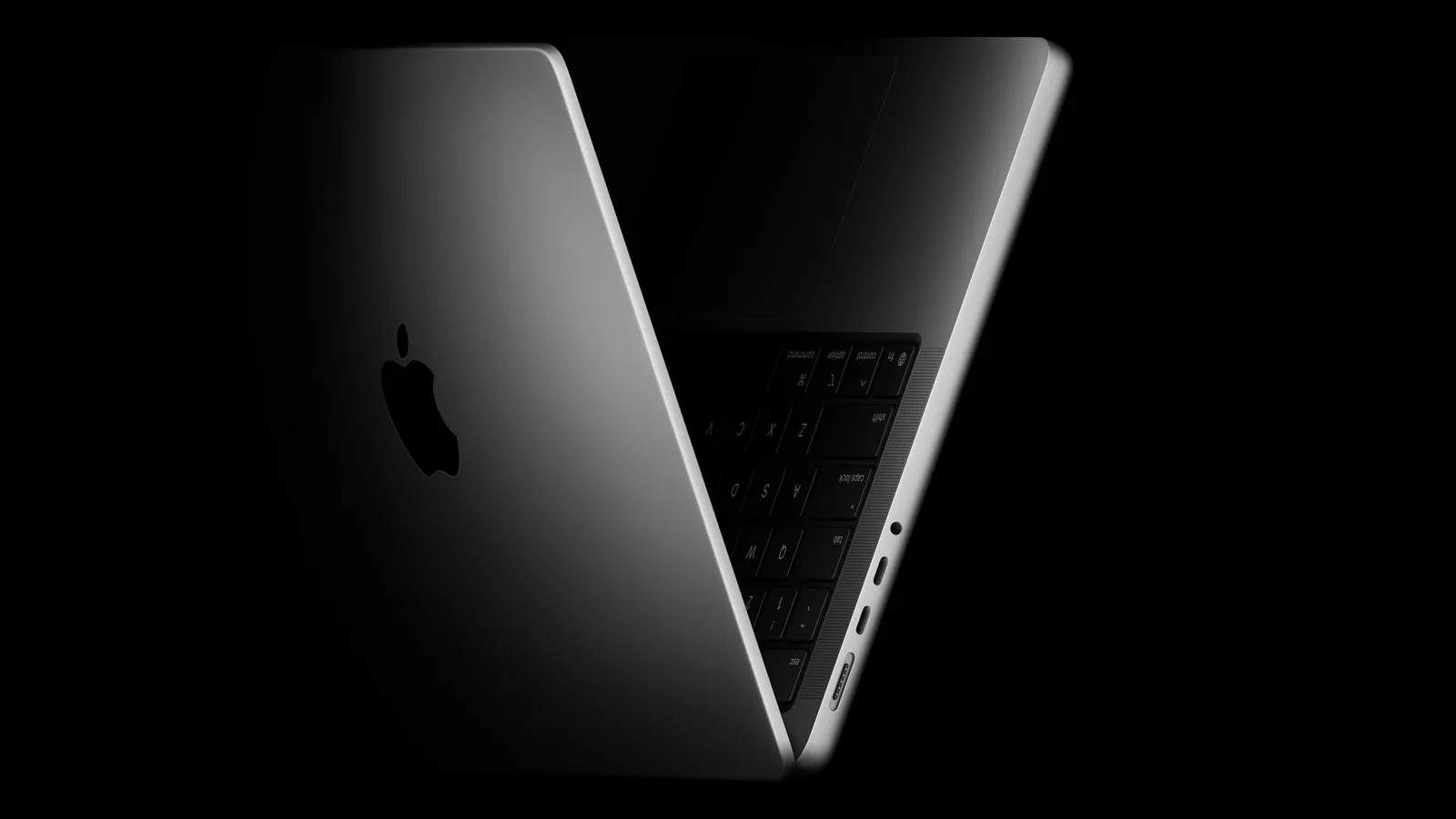
Apple’s rumored OLED MacBook Pro models could be substantially lighter than the current lineup, according to Bloomberg’s Mark Gurman. Apple is said to be redesigning the laptops internally by shrinking components and changing how they are arranged.
The change could make the larger MacBook Pro easier to carry while preserving its position as a high-end notebook. Current MacBook Pro models weigh as much as 4.7 pounds, compared with up to 3.3 pounds for the MacBook Air and 2.7 pounds for the MacBook Neo.
What to expect from the OLED MacBook Pro
Gurman described the lighter construction in his Power On newsletter, saying that Apple has reengineered the computer’s interior. The report does not provide a target weight, so the final difference between the rumored models and today’s MacBook Pro remains unknown.
The OLED MacBook Pro is now associated with several potential design and hardware changes:
- OLED displays instead of the current display technology
- Touchscreen support
- A Dynamic Island in place of the existing notch
- M5 Pro and M5 Max processors
- A thinner chassis
- A significantly lighter design
A thinner body and lower weight would address two of the MacBook Pro’s main portability drawbacks. However, the report does not say whether the redesign would affect battery capacity, ports, cooling, or other hardware features.
Possible release timing and software
Apple is reportedly planning to release the OLED MacBook Pro models in October or November this year. Gurman also reiterated that Apple is testing the laptops with macOS 27.2, which is currently in beta.
That testing detail points to software development taking place alongside the hardware work, but it does not confirm a final launch date. Apple has not announced the OLED MacBook Pro models or provided specifications for them.
Where the new models could fit
The rumored OLED versions are expected to sit above the existing MacBook Pro models in Apple’s product lineup. That positioning would make them higher-end and more expensive computers rather than direct replacements for every current MacBook Pro configuration.
For buyers, the reported weight reduction could be the most practical change. The current MacBook Pro offers more performance than the MacBook Air but is also heavier, particularly in its largest configuration. A lighter design could narrow that portability gap while adding the display and processor upgrades described in the report.
Until Apple confirms the products, the screen technology, touchscreen functionality, Dynamic Island design, chip options, pricing, and weight should be treated as reported details rather than final specifications.


