 By
By 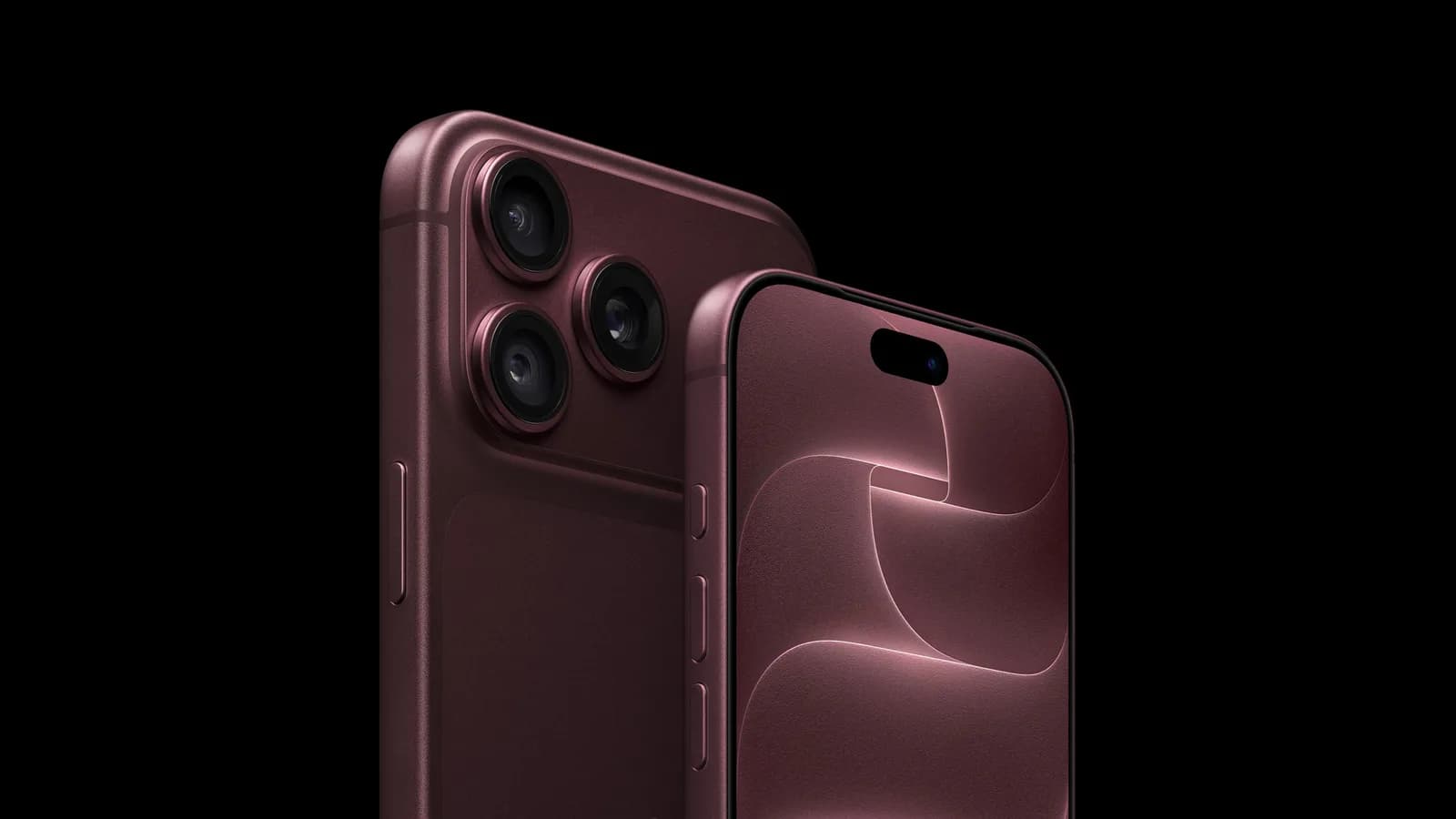
The iPhone 18 Pro and iPhone 18 Pro Max introduce a variable-aperture Main camera, giving users more control over light, shutter speed and depth of field. The phones retain the three-camera arrangement used by their predecessors, but the new lens can adjust its opening from ƒ/1.48 to ƒ/4.0.
Unlike a fixed-aperture lens, the new system can let in more or less light depending on the scene. The iPhone can make those adjustments automatically, or photographers can select an aperture themselves through the Camera app.
What the variable aperture changes
Aperture determines how much light reaches the camera sensor. A wider aperture allows more light in, which can help the camera use a faster shutter speed in darker conditions. That can reduce blur caused by movement and may limit the need to use Night Mode.
The iPhone 18 Pro replaces the previous fixed ƒ/1.78 Main-camera aperture with a four-stop variable system. Apple says the change delivers around 50 percent better low-light performance. The wider ƒ/1.48 setting also creates a shallower depth of field, helping separate a subject from its background.
At the other end, ƒ/4.0 reduces the amount of light entering the lens while keeping more of the scene in focus. That setting may be useful for landscapes, group photos and other images where broad sharpness is important.
How to adjust the aperture manually
Users can access the controls directly in the Camera app:
- Tap the button with six dots in the bottom-right corner of the camera interface.
- Choose Lens Aperture from the control pane.
- Select one of the four aperture settings: ƒ/1.48, ƒ/1.8, ƒ/2.8 or ƒ/4.0.
- Tap Auto to return control to the iPhone.
The four on-screen choices provide a simpler control scheme than the full range suggested by the lens. Users can switch between them to change the balance between brightness and focus.
What the aperture settings mean for photos
The lower the f-number, the wider the aperture. That means more light reaches the sensor, the camera can use a faster shutter speed in the same conditions, and the resulting image can have a softer background.
A higher f-number narrows the aperture. Less light reaches the sensor, but more of the scene can remain in focus. The trade-off is particularly relevant when choosing between a portrait-style image at ƒ/1.48 and a landscape or group shot at ƒ/4.0.
The iPhone 18 Pro models still use a 48MP Fusion Main camera, an 8x 48MP Telephoto camera and a 48MP Ultra Wide camera, with the same focal lengths and resolutions as the previous generation. The variable aperture is therefore the central camera change, adding a physical control that earlier iPhone models did not offer.


