By
By 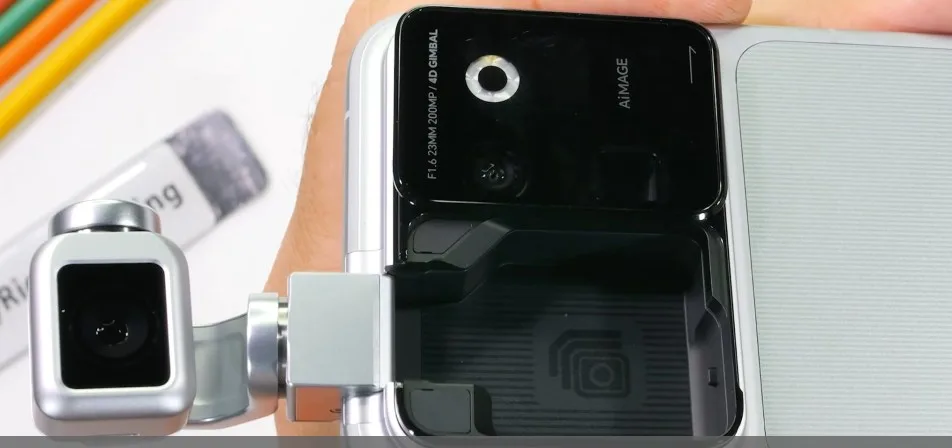
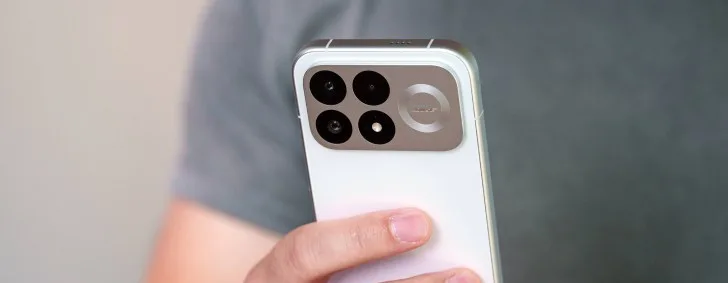
The Honor Robot Phone, released in China this past August, has been put through a series of durability tests and a full teardown by Zack Nelson of the popular JerryRigEverything YouTube channel. The results highlight both the ambition and the vulnerabilities of the device's headline feature: a motorized gimbal camera.
How the gimbal camera holds up
The Robot Phone's standout element is its gimbal-mounted camera, marketed as a kind of robotic arm. In the testing, the mechanism proved to be an impressive piece of engineering, but not without flaws. Nelson noted that the module runs quite hot to the touch during use.
More significantly, the gimbal is not dust-proof. After being covered in dust and sand, the camera arm could no longer extend from its enclosure, suggesting that fine particles can jam the moving component. That is a notable limitation for a mechanical part that is exposed to the outside environment.
Scratch and bend results
The front glass behaved much like other modern smartphone displays, showing scratches at level 6 on the Mohs hardness scale and deeper grooves at level 7. That is standard behavior and offers no particular surprise.
The phone performed better in the bend test. According to the video, the Robot Phone survived flexing without failing, a positive sign for structural integrity given the complexity of housing a moving camera mechanism. The frame is made from aluminum.
What the teardown revealed
Disassembling the device uncovered some interesting engineering choices. The vapor chamber used for cooling is glued directly to the back of the display, meaning Honor is effectively using the screen itself to help dissipate heat. That approach may explain some of the warmth reported around the camera area.
The teardown also confirmed the presence of a 200MP periscope telephoto camera with optical image stabilization. The robotic arm assembly proved difficult to remove from the body, reflecting how tightly integrated the mechanism is into the phone's construction.
Overall, the Robot Phone comes across as a bold experiment in smartphone design. Its gimbal camera is a genuine novelty, but the dust vulnerability and heat concerns show the trade-offs that come with adding moving parts to a device people carry everywhere.