 By
By 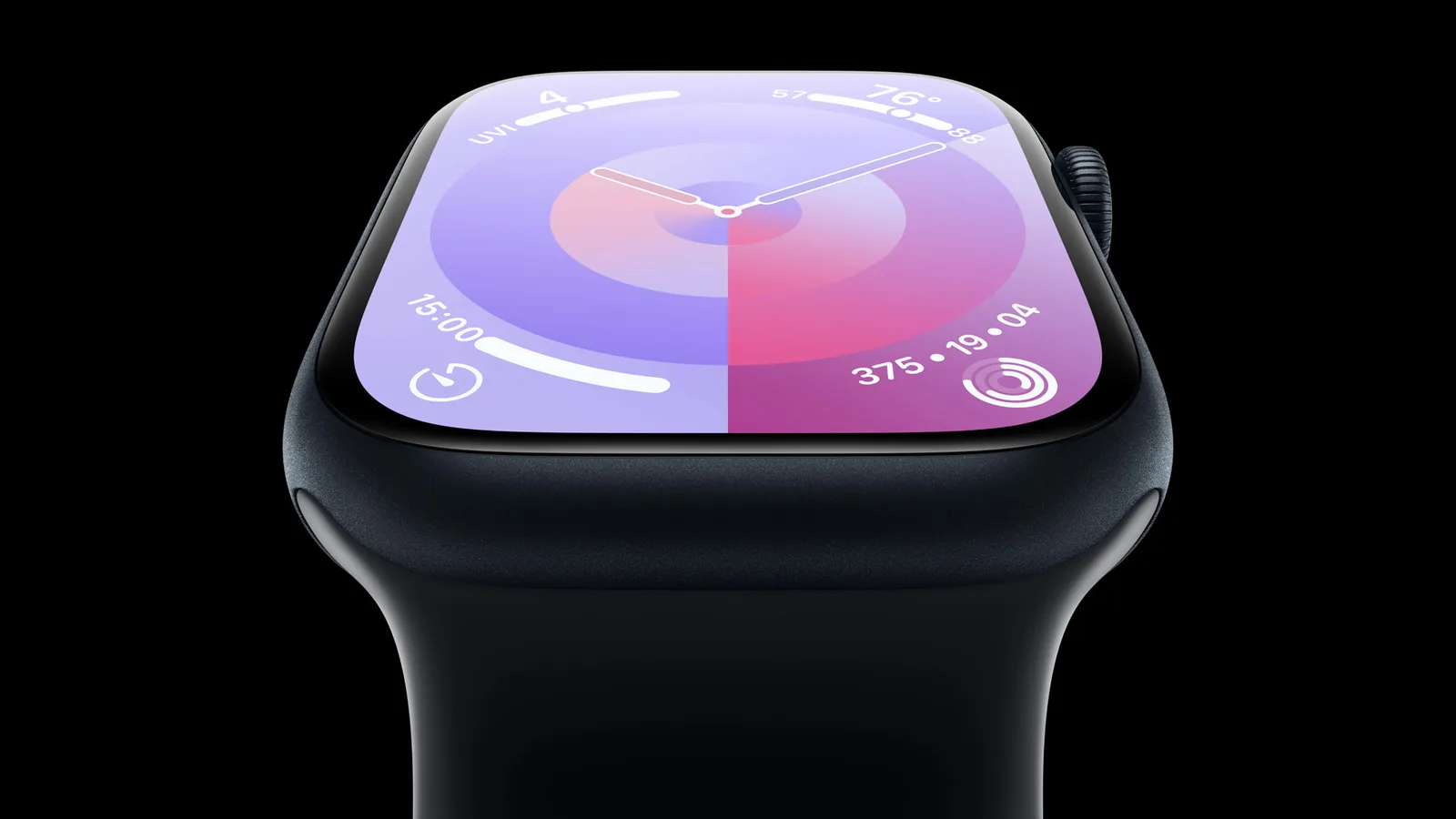
Apple Watch Series 12 is now available, three years after the Series 9, with a thinner design, larger displays, improved health sensors, faster charging and new water-temperature capabilities. For Series 9 owners, the upgrade is most worthwhile when training, recovery tracking or newer health features are a priority.
Apple Watch Series 9 and Series 12 differences
The Series 12 comes in 42mm and 46mm sizes, compared with 41mm and 45mm for the Series 9. Its case is 9.7mm thick in aluminum and titanium, versus 10.7mm for the Series 9. The newer watch also offers aluminum, titanium and ceramic case options, while the Series 9 was available in aluminum or stainless steel.
Display area increases by about 7% on the smaller Series 12 and 5% on the larger model. The newer LTPO3 wide-angle OLED display can refresh at 1Hz, allowing a live-ticking seconds hand on select watch faces. Its aluminum models use Ceramic Shield 2, while titanium and ceramic versions have sapphire crystal.
The Series 12 uses Apple's S11 chip and 4GB of RAM, compared with the S9 chip and 2GB of RAM in the Series 9. It also includes a second-generation electrical heart sensor and a fourth-generation always-on optical heart sensor. The Series 9 has an electrical heart sensor and third-generation optical sensor.
Health and fitness upgrades
The biggest functional change is the frequency and range of health measurements. Series 12 records background heart rate readings every five seconds and can measure recovery and overall heart-rate variability more frequently. These capabilities support its Readiness app, daily score and recommendations, as well as Recovery HRV and daytime views in the Vitals app.
Series 12 adds a water-temperature sensor alongside its wrist-temperature sensor, plus a depth gauge rated to six meters and a Depth app. Those additions could matter to swimmers and snorkelers. The watch also brings redesigned step tracking and a new Steps complication.
Series 9 owners still retain substantial capabilities. The older watch supports watchOS 27, an always-on display, ECG, wrist-temperature sensing, Double Tap, sleep apnea and hypertension notifications, and Siri AI when paired with a compatible iPhone.
Battery life, charging and other changes
Apple rates Series 12 for up to 24 hours of normal use and up to 38 hours in Low Power Mode. Series 9 is rated for up to 18 hours and 36 hours, respectively. Series 12 can reach 80% charge in about 30 minutes, while 15 minutes of charging can provide up to 12 hours of normal use. Series 9 takes about 45 minutes to reach 80%.
The newer model also includes Voice Isolation, a redesigned speaker that supports media playback, and Audio Intelligence features such as Sound Recognition, faster Shazam and Siri Recap. Live Rewind and Siri Recap are scheduled to arrive in beta in late 2026.
Should Series 9 owners upgrade?
Series 12 is a meaningful cumulative upgrade for people who use an Apple Watch for structured training, recovery or water activities. The larger display, thinner profile and faster charging add everyday convenience, but the health and fitness improvements provide the stronger reason to replace a Series 9.
For notifications, basic activity tracking and occasional workouts, the Series 9 remains capable. Its support for watchOS 27 also reduces the urgency to upgrade. Battery improvements alone are unlikely to justify the cost.
For new buyers, Series 12 is the clear choice at a starting price of $399. A used or refurbished Series 9 can still offer value at a substantial discount, but buyers should check battery health, physical condition and warranty coverage before purchasing.


