 By
By 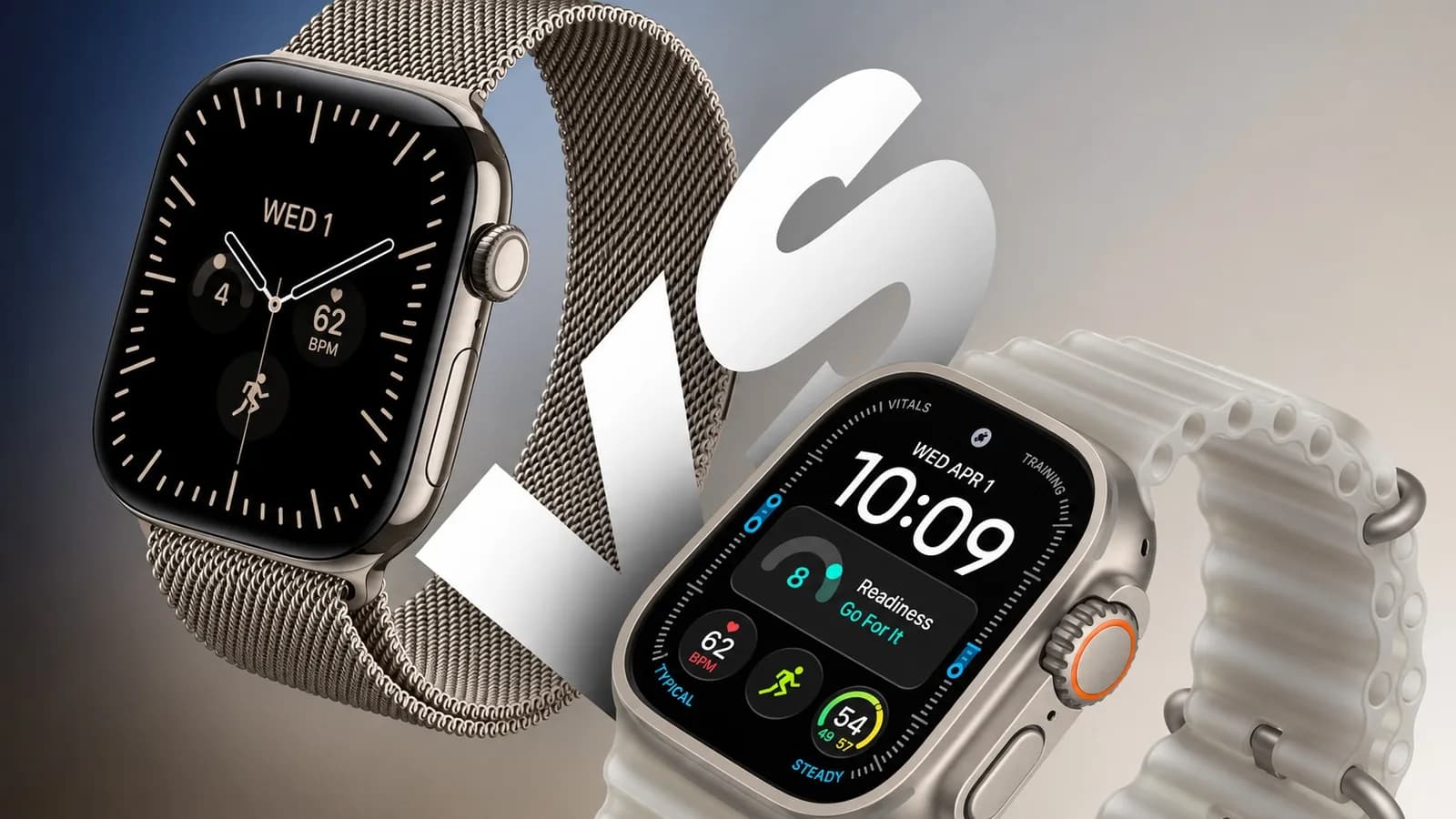
The Apple Watch Series 12 and Apple Watch Ultra 4 share Apple's latest S11 chip, 4GB of RAM, 64GB of storage, and the new Health Sensing System. Both watches also offer the same core health and recovery features, including Readiness, Recovery HRV, daytime vitals, improved step tracking, hypertension notifications, sleep apnea notifications, and Sleep Score. The main choice comes down to comfort, battery life, durability, and specialized outdoor capabilities.
Apple Watch Series 12 and Ultra 4: Key differences
The Series 12 has a thinner, rounded design and comes in 42mm and 46mm sizes. Depending on the model, it weighs between 31.5 and 52.9 grams. Buyers can choose aluminum, polished titanium, or polished ceramic cases. The Ultra 4 uses a larger, rugged 49mm titanium case and weighs about 63 grams.
The Ultra 4 has a flat sapphire crystal, slightly raised edges, and a display that reaches 3,000 nits of peak brightness. The Series 12 reaches 2,000 nits and uses Ceramic Shield 2 glass on aluminum models, while titanium and ceramic versions use sapphire crystal. The Ultra also adds exclusive watch faces, Night Mode, a customizable Action button, an 86-decibel siren, dual speakers, and a three-microphone array.
Both models support cellular connectivity, satellite communications for Emergency SOS, Messages, and Find My, and the standard GPS, GLONASS, Galileo, QZSS, and BeiDou systems. However, the Ultra 4 adds dual-frequency L1 and L5 GPS, which can improve positioning in challenging environments such as dense urban areas or narrow valleys.
Battery life and outdoor features
Battery life is the Ultra 4's most broadly useful advantage. Apple rates the Series 12 for up to 24 hours of normal use, while the Ultra 4 can last up to 50 hours. Low Power Mode extends those figures to 38 hours and 84 hours, respectively.
The Ultra 4 also supports longer outdoor workouts. It can provide up to 18 hours of standard outdoor workout tracking and up to 45 hours in Max Extended Workout mode, with GPS readings every second. The Series 12 is rated for up to 10 hours of standard outdoor workout tracking and up to 25 hours in Extended Workout mode.
For water activities, the Series 12 is water resistant to 50 meters and supports swimming, snorkeling, and depth measurements to 6 meters. The Ultra 4 reaches 100 meters of water resistance, supports recreational scuba diving to 40 meters, and includes a depth gauge and Depth app for that depth. It is also tested to MIL-STD 810H and carries EN13319 certification for recreational scuba diving.
Prices and which Apple Watch is better
The aluminum Apple Watch Series 12 starts at $399, while the Apple Watch Ultra 4 starts at $799. Titanium Series 12 models start at $699, and ceramic models start at $899. That makes the premium Series 12 models much closer to, or more expensive than, the Ultra 4.
For most people, the aluminum Series 12 is the better buy. It provides the same everyday performance, health sensors, recovery insights, and Audio Intelligence features in a lighter and less conspicuous design. It is especially well suited to daily wear and regular workouts.
The Ultra 4 makes more sense for buyers who value multi-day battery life, long workouts, hiking beyond cellular coverage, recreational scuba diving, more accurate GPS, or a tougher case. Its additional hardware can justify the premium, but the larger body may be uncomfortable for some wrists. Anyone uncertain about the size should try the Ultra 4 on before purchasing.
The decision is less straightforward for shoppers already considering the titanium Series 12. With only a $100 difference from the Ultra 4, the Ultra's extra endurance and outdoor features become easier to justify. Ceramic Series 12 models, meanwhile, are primarily a style choice and do not provide more health or performance features than the less expensive models.


