 By
By 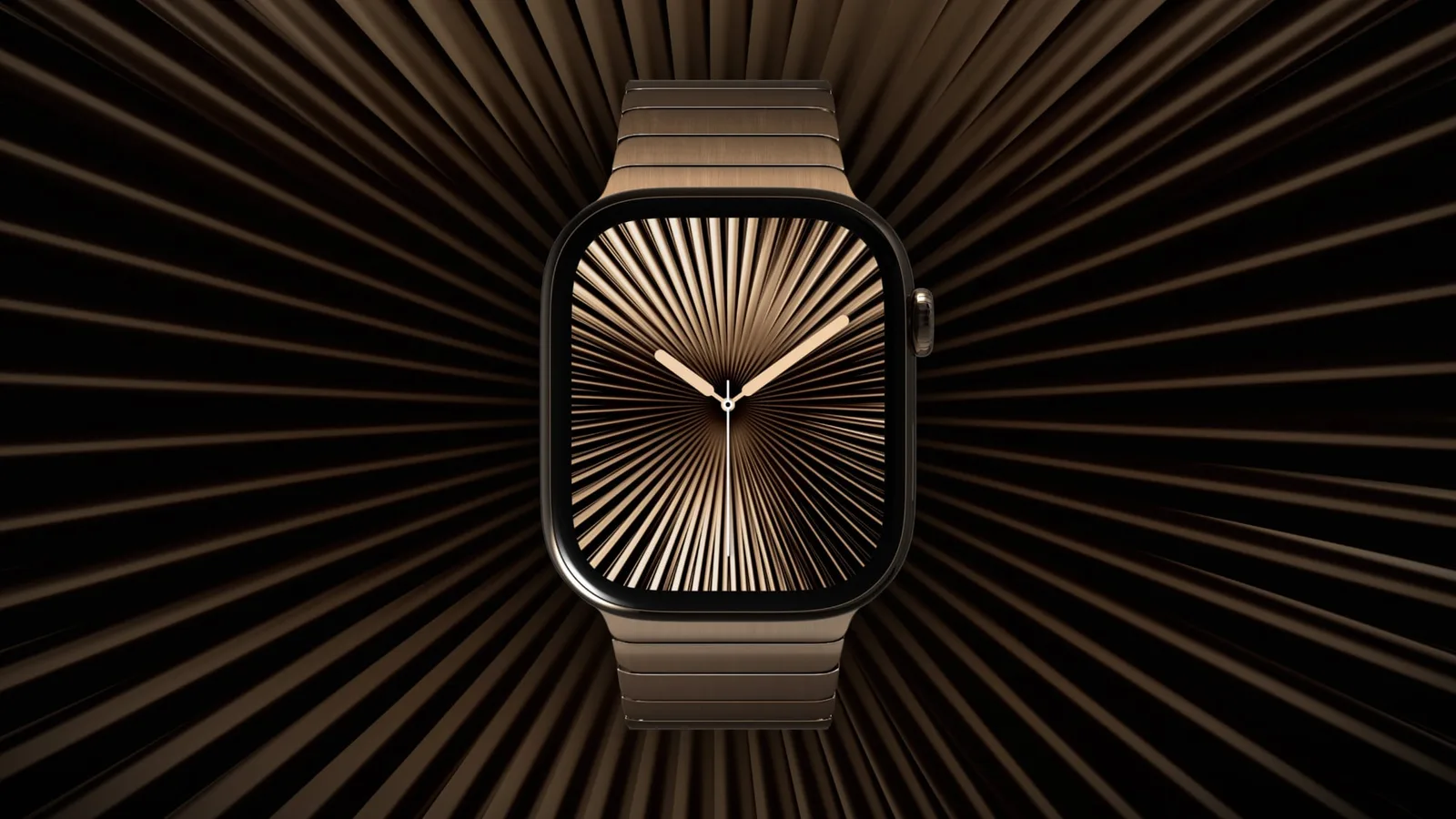
The Apple Watch Series 12 is now available, two years after the Series 10 introduced Apple’s current thinner design. Although both models share the same overall look, the newer watch adds a faster chip, twice the memory, a redesigned health-sensing system, improved charging, tougher glass, and 5G connectivity on cellular models.
The Series 12 starts at $399, the same launch price as the Series 10 in 2024. Apple has discontinued the Series 10, but remaining stock may still be available through third-party retailers and the refurbished or second-hand market.
What is different between the Series 10 and Series 12?
The Series 12 uses an S11 chip and 4GB of RAM, compared with the Series 10’s S10 chip and 2GB of RAM. The newer model also introduces Audio Intelligence features such as Live Rewind, Siri Recap, Sound Recognition, and faster Shazam support.
Health and fitness tracking is the largest area of change. The Series 12 uses a second-generation electrical heart sensor and a fourth-generation always-on optical heart sensor. It can check background heart rate every five seconds and measures recovery HRV and overall HRV more frequently.
Its Vitals app adds HRV and daytime vitals to the Series 10’s heart rate, respiratory rate, wrist temperature, and sleep-duration measurements. A Readiness app provides a daily score and recommendation, while a redesigned pedometer is intended to improve all-day step tracking.
Other upgrades include Ceramic Shield 2 on aluminum models, which Apple describes as 60% tougher than Ion-X glass, and new ceramic case options. Cellular versions support 5G RedCap in addition to LTE and UMTS.
Design, display, and battery differences
The Series 12 retains 42mm and 46mm case sizes and the 9.7mm thickness of the Series 10. However, both sizes are 1mm wider, and the newer watch weighs between 2.1 and 3.3 grams more in equivalent aluminum and titanium configurations.
Resolution remains unchanged, but the active display area is approximately 2% smaller on both sizes. That means the Series 12 has slightly thicker borders around the screen despite using the same display resolutions.
Apple rates the Series 12 for up to 24 hours of normal use and up to 38 hours in Low Power Mode. The Series 10 is rated for up to 18 hours and 36 hours, respectively, though the two normal-use figures are not directly comparable because Apple changed its testing method.
Charging is faster on the newer model. Fifteen minutes provides up to 12 hours of normal use, compared with eight hours on the Series 10. Five minutes can provide up to 10 hours of sleep tracking on the Series 12, while the Series 10 requires eight minutes for the same stated result.
Should Series 10 owners upgrade?
The Series 12 is a meaningful cumulative upgrade, but it is not essential for every Series 10 owner. Both watches share the basic design, display brightness, resolution, storage capacity, core safety features, and support for watchOS 27 and Siri AI.
Upgrading makes the strongest case for people who prioritize health and training data. High-frequency heart-rate measurements, recovery HRV, daytime vitals, Readiness, and improved step tracking provide more detailed feedback. Sound Recognition may also be particularly useful for deaf or hard-of-hearing users.
5G, faster charging, tougher aluminum cover glass, and ceramic case options offer additional reasons to switch. However, the Series 12 is slightly wider and heavier, and its smaller active display area may not feel like an upgrade in every respect.
Which Apple Watch should you buy?
At $399, the Series 12 is the better choice when compared with a Series 10 priced near its original level. The newer health system, S11 chip, extra RAM, Audio Intelligence features, faster charging, 5G, and additional case materials make a small price gap difficult to justify.
The Series 10 becomes attractive when it is at least about $150 cheaper than an equivalent Series 12 and remains in excellent condition. It still offers an always-on display, ECG, temperature sensing, sleep apnea and hypertension notifications, advanced workout tracking, and Siri AI. Buyers should check battery health and warranty coverage, since a worn battery can quickly reduce the value of a used watch.


