 By
By 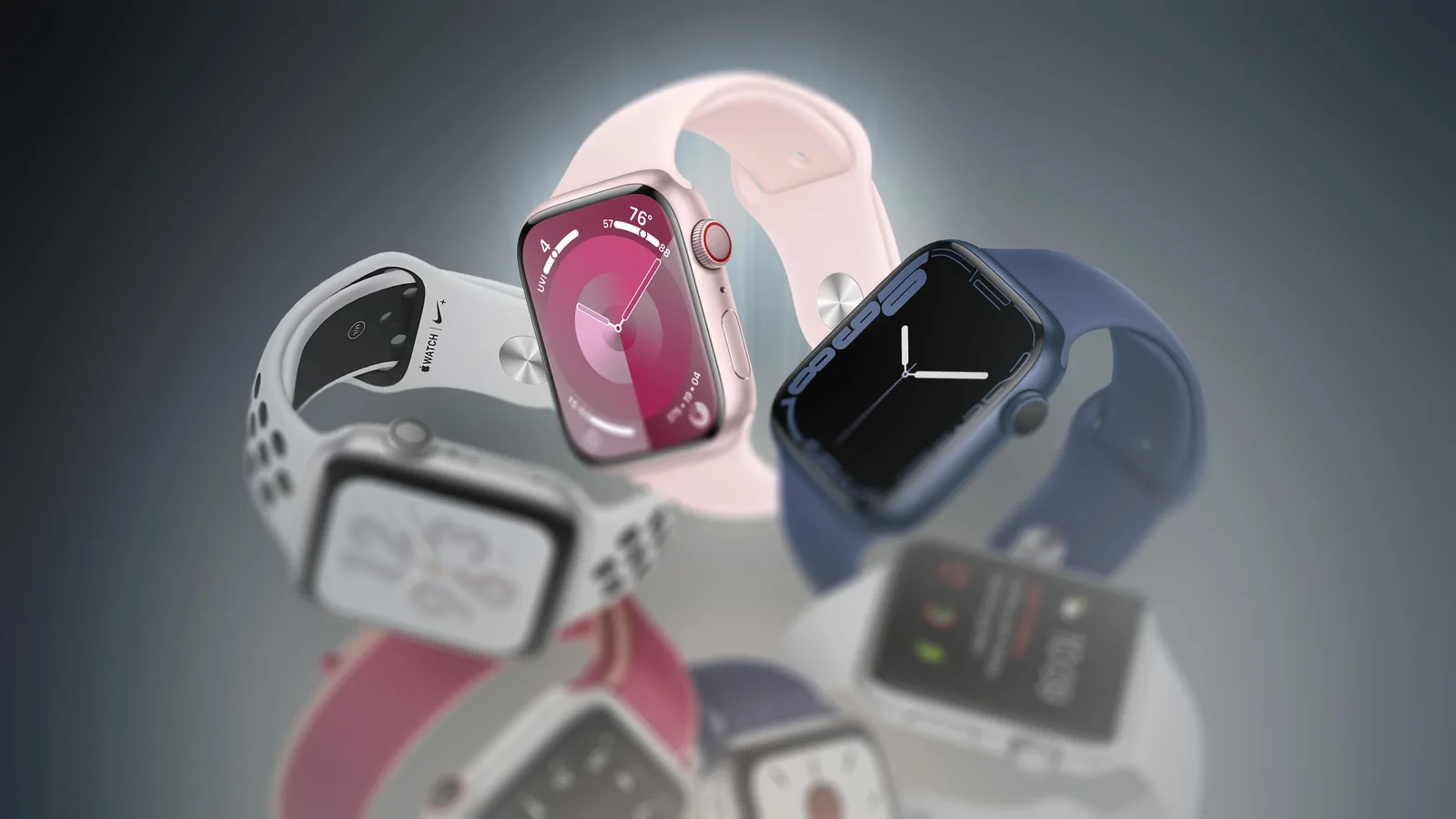
The Apple Watch Series 12 offers a more meaningful upgrade than the Series 11, adding a new health-sensing system, more frequent heart-rate variability measurements, longer workout tracking, and a tougher front glass on aluminum models. For many Series 11 owners, however, the improvements may not justify replacing an otherwise healthy watch.
The upgrade case becomes stronger with each older generation, especially for users whose battery has deteriorated or whose watch no longer supports the latest major software release.
What is new in Apple Watch Series 12?
The Series 12 introduces an S11 chip based on the A20 Pro, 4GB of RAM, and a second-generation electrical heart sensor. Its fourth-generation always-on optical heart sensor can measure background heart rate every five seconds, while heart rate variability measurements occur up to 24 times more often.
Apple also adds a Recovery HRV metric, a Readiness app, a daytime view in the Vitals app, and more accurate step tracking. New watch face complications can display steps and real-time heart rate. Audio Intelligence features include Sound Recognition and automatic Shazam detection, along with Live Rewind and Siri Recap.
Aluminum Series 12 models use Ceramic Shield 2 glass, which is described as 60% tougher than the Ion-X glass on Series 11 aluminum models. The watch can track outdoor workouts for up to 10 hours, while 15 minutes of charging provides up to 12 hours of normal use. Five minutes can provide up to 10 hours of sleep tracking.
Should Series 11 and Series 10 owners upgrade?
Series 11 owners gain the most from the new health and recovery tools, more durable front glass, and longer workout battery life. Those features are most relevant to people who use the watch for structured training, recovery monitoring, or continuous health measurements. Sound Recognition may also be useful for deaf or hard-of-hearing users, and Series 12 introduces ceramic case options unavailable on Series 11.
Series 10 owners also gain the Series 11 improvements, including 5G on cellular models and a larger battery, in addition to the Series 12 features. The Series 10 itself introduced a thinner design, larger displays, faster charging, a water-temperature sensor, and a depth gauge, so upgrading from it is less urgent unless the newer health features are important.
Why older Apple Watch models are easier to replace
Owners of Series 8 and older models get a more substantial cumulative upgrade. Series 9 introduced a brighter display, Double Tap, sleep apnea and hypertension detection, on-device Siri for supported requests, and a faster S9 chip. Series 8 added Crash Detection and wrist temperature sensing, while Series 7 brought larger displays, dust resistance, crack-resistant glass, and faster charging.
The differences are especially noticeable from Series 6 or earlier. Series 6 introduced an always-on altimeter, blood oxygen sensing, faster charging, and a significantly faster S6 chip. Series 5 added an always-on display and compass. Series 4 introduced the modern larger-screen design, ECG support, fall detection, and a faster processor.
Software support and the best value
watchOS 27 supports Series 9 and newer models, leaving Series 8 and older watches without the latest major software release. Older devices may continue working and may still receive some security updates, but their software support is becoming more limited.
watchOS 26 does not support Series 5 or older, making those watches the clearest candidates for replacement. Buyers who do not need the Series 12 health features may find a discounted or secondhand Series 11 more appealing, provided its price and battery condition are good. Series 12 is the more compelling choice for users who prioritize training data, recovery insights, and longer battery performance.


