 By
By 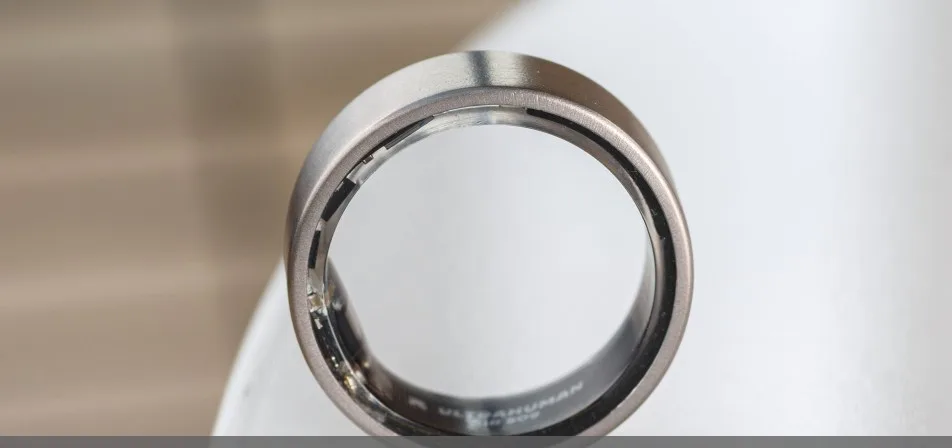
Ultrahuman has introduced Heart Scan, a new on-demand heart rhythm checking feature for eligible Ring Air and Ring Pro users. The tool expands the company’s existing AFib Detection PowerPlug by allowing users to manually start a scan instead of relying only on overnight screening.
Heart Scan is powered by FibriCheck and is available through the Ultrahuman app. Users begin a scan from the app and must remain still for 60 seconds while the ring captures the relevant signal. FibriCheck’s algorithm then analyses the recording and returns the result in the app.
How Ultrahuman Heart Scan works
The feature is designed for an occasional rhythm check whenever the user chooses. That differs from the AFib screening included in the PowerPlug, which operates in the background during the night.
After each scan, the app can also generate a FibriCheck PDF report. The report includes the pulse recording taken during the check, a tachogram and a Lorenz plot showing the intervals between heartbeats. These additional details may help users keep a record of their readings or share them with a healthcare professional.
Heart Scan can produce one of several outcomes: Regular, Possibly irregular, Possible atrial fibrillation, Signal quality too low or Inconclusive. The result is intended to describe the recording from that scan rather than provide a complete assessment of a person’s heart health.
Important limitations of the feature
Ultrahuman says FibriCheck does not detect heart attacks or ischemic conditions. It also warns that a Regular result does not rule out a heart rhythm condition. Users should therefore not treat the feature as a replacement for medical advice or emergency care.
The company’s existing AFib detection uses the same broader PowerPlug feature. In the UK, nighttime screening costs £4.90 per month or £49 per year. In the Eurozone, the price is €5.90 per month or €49 per year.
Availability and software requirements
Heart Scan is available in supported markets across the UK, Europe, the Middle East and Asia-Pacific. It supports both the Ultrahuman Ring Air and Ring Pro, although access depends on user eligibility. Eligible users can find free scans from the Ultrahuman dashboard.
The feature requires Ultrahuman app version 4.3.0 on iOS or version 3.2.0.0 on Android. Ring Air gained AFib detection support in July 2024, while the Ring Pro included the capability when it launched in February.
By adding an on-demand option, Ultrahuman is giving users a more direct way to check for possible rhythm irregularities outside the ring’s scheduled nighttime monitoring. The feature’s medical limitations, however, mean its readings should be viewed as screening information rather than a diagnosis.


