By
By 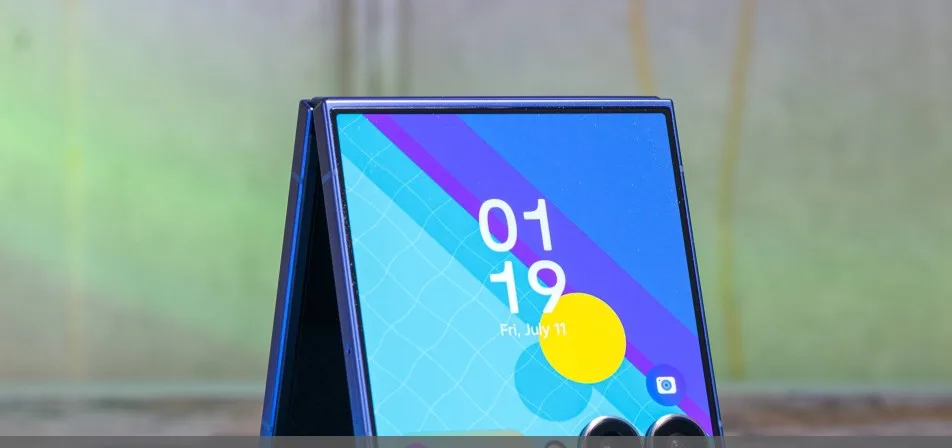
Samsung has started rolling out its One UI 9 update, based on Android 17, to the Galaxy Z Fold7 and Galaxy Z Flip7 in the United States. The update is currently reaching Fold7 devices on T-Mobile and Verizon, while Flip7 owners on AT&T are beginning to receive it.
The US rollout follows Samsung's initial distribution of One UI 9 to the Galaxy S25 family and its newest foldables in late September. Galaxy S25 devices received the update in the US over the weekend, and Samsung is now extending the release to the Z Fold7 and Z Flip7.
Which US carriers are receiving One UI 9?
At present, the Galaxy Z Fold7 update is available on T-Mobile and Verizon. The Galaxy Z Flip7 version is currently rolling out to customers using AT&T. Availability may vary by device and network, as Samsung typically releases major software updates in stages rather than making them available to every user simultaneously.
The update is expected to reach additional US carriers in the coming days. Owners who do not see a notification immediately may simply need to wait for their device's rollout window.
How to check for the update
Galaxy Z Fold7 and Z Flip7 owners can check manually instead of waiting for an alert. Open Settings, select Software update, and tap Download and install.
If the update is not listed, that does not necessarily indicate a problem with the phone. A staged rollout can leave otherwise eligible devices waiting until Samsung or the carrier expands availability to another group of customers.
What the rollout means for Galaxy foldables
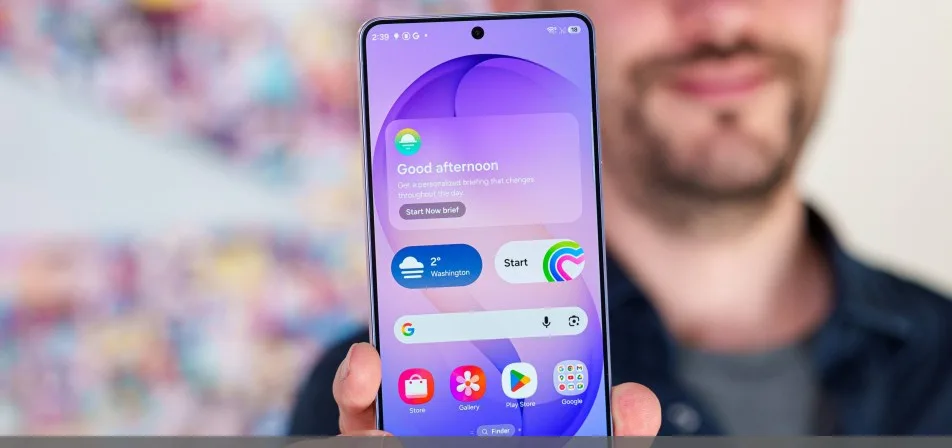
One UI 9 is Samsung's latest software release for compatible Galaxy devices and is built on Android 17. Bringing it to the Z Fold7 and Z Flip7 shortly after the Galaxy S25 series keeps the company's newest flagship phones on the same major Android platform.
For owners, the most immediate development is access to Samsung's latest software version without needing to change devices. However, the exact timing depends on the carrier version of each phone. Users should install the update when it becomes available and ensure the device has enough battery and storage before starting the process.
Samsung's US rollout remains in progress, so broader availability should follow the initial T-Mobile, Verizon, and AT&T releases.