By
By 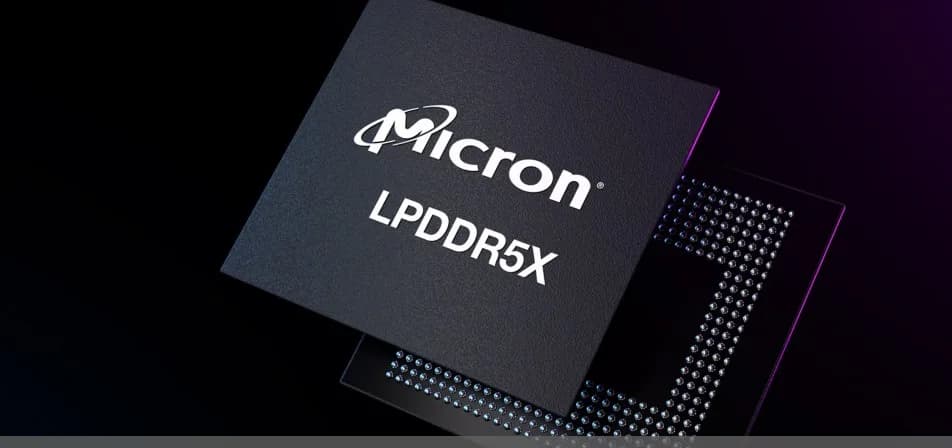
Samsung may not ship its entire Galaxy S27 lineup with next-generation LPDDR6 memory after all. According to a new report from Korean outlet The Bell, the company is testing Micron's latest LPDDR5X memory for use in its lower-tier models, a shift away from earlier expectations that the whole range would move to the newer standard.
What the report claims
Citing inside sources, The Bell says Samsung is running quality tests on Micron's LPDDR5X chips built on the 1y process. That node is described as the equivalent of the 1c DRAM manufacturing process used by Samsung and SK Hynix, placing it among the most advanced current-generation memory in production.
The catch is cost. Micron is reportedly asking for roughly 50% more than Samsung's own Device Solutions arm charges for comparable DRAM. That is well above the 20–30% premium Micron typically requests for new-generation memory. In practice, even if Samsung opts for Micron's LPDDR5X, it would still pay more than it did for the outgoing generation, reflecting broader increases in RAM prices across the industry.
A possible split across the lineup
The report suggests Samsung could divide its memory strategy between tiers. The higher-end Galaxy S27 Pro and Galaxy S27 Ultra may still adopt next-generation LPDDR6 chips, paired with Qualcomm's upcoming Snapdragon 8 Elite Extreme Gen 6 processor.
The standard Galaxy S27 and the Plus model, meanwhile, are the candidates for Micron's LPDDR5X memory. Those two devices are also rumored to run on Samsung's in-house Exynos 2700 chip, which is reportedly based on the company's second-generation 2nm manufacturing process.
Earlier reports had painted a simpler picture, with the entire S27 family expected to combine LPDDR6 memory and Qualcomm silicon. The latest rumor points to a more segmented approach, likely driven by component pricing and supply considerations.
Why it matters
Memory type and speed influence how a phone handles multitasking, on-device AI features, and sustained performance. A gap between the base models and the Pro and Ultra could mean tangible differences in day-to-day responsiveness, particularly as more processing workloads shift onto the device itself.
Rising RAM costs are also a growing concern for smartphone makers. If suppliers like Micron continue to command steep premiums, manufacturers may face difficult choices between using the newest memory across a lineup or reserving it for flagship tiers to protect margins and pricing.
As with all pre-launch details, these plans remain unconfirmed and could change before the Galaxy S27 series is officially announced. Samsung has not commented publicly on its memory or chip choices for the upcoming generation.