 By
By 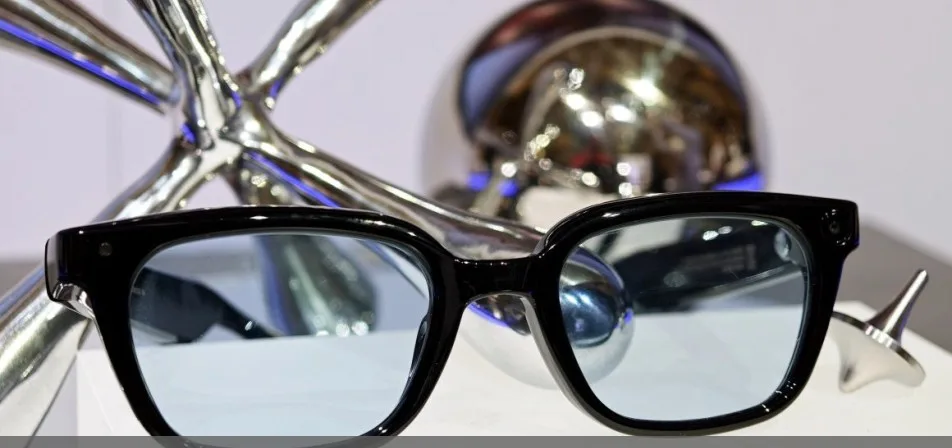
Samsung is reportedly preparing to launch its first Android XR glasses in November, several months after showing the product at its Galaxy Unpacked event. A Samsung official allegedly confirmed the timing, although the company has not disclosed pricing or a specific release date.
The glasses are expected to be called Intelligent Eyewear. Unlike traditional augmented-reality glasses, they will not have a display. Instead, the product will combine a camera, microphones and speakers with a connected Galaxy smartphone, allowing Google's Gemini AI to process information captured through the glasses.
What Samsung’s Intelligent Eyewear will do
Users will apparently be able to speak to Gemini through the glasses. Responses will then be played through the built-in speakers, while the connected Galaxy phone handles the AI processing of what the wearer sees and hears.
Samsung is also targeting a weight of up to 5 grams less than Meta’s 51-gram Ray-Ban Meta glasses, according to the report. The final weight has not yet been confirmed, so it remains unclear whether Samsung will meet that target when the product reaches the market.
With no display, the glasses will compete in the growing category of camera-equipped, AI-enabled eyewear rather than directly replacing full augmented-reality headsets. Their design puts the focus on voice interaction, audio feedback and hands-free access to Gemini.
Privacy protections for camera-equipped glasses
Samsung’s launch comes as manufacturers face increasing concerns about glasses that can record people nearby. The Korea Herald reported that South Korea’s Personal Information Protection Commission met with Samsung before the launch to discuss how people around a wearer should be alerted when the glasses’ cameras or microphones are active.
Samsung says Intelligent Eyewear will use LEDs on both the inside and outside of the frame to signal recording. If the external indicator is covered, the glasses will disable recording. That approach is intended to make recording more visible and prevent the camera from being used when its outward-facing indicator cannot be seen.
Samsung enters a market led by Meta
Meta currently controls 96% of the market for display-free AI glasses, according to Counterpoint Research. Its Ray-Ban Meta line has helped establish the category, but the company has also introduced camera-less Ray-Ban Meta Audio glasses.
The audio-only models are lighter and offer longer battery life than Meta’s camera-equipped versions. Meta positioned them as an option for people who are uncomfortable wearing glasses that can continuously record their surroundings, an issue that has become increasingly controversial.
Samsung’s Intelligent Eyewear will therefore enter a market where hardware capabilities and privacy expectations are developing at the same time. Pricing, final weight and the precise November release date remain unknown.


