 By
By 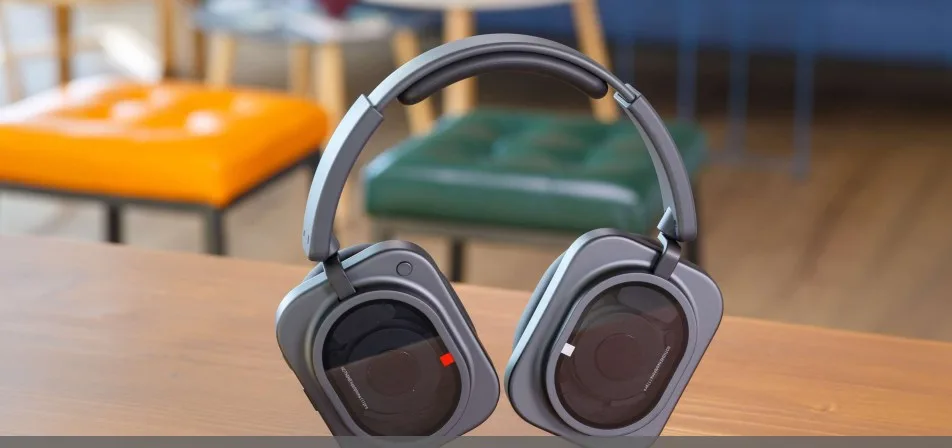
Nothing is expanding its over-ear headphone lineup with the Headphone (1) Pro, a €370 model positioned above last year’s Headphone (1) and the Headphone (a) introduced this spring. The new headset arrives in Black or White and includes a 3.5mm audio cable, a USB-C cable and a protective carrying case.
The standard Headphone (1) normally costs €300, although it is currently listed at €250. The Pro model brings changes across its construction, sound system, controls and comfort, making it more than a cosmetic update.
A glossy case and upgraded construction
The included case covers the earcups while leaving the headband exposed, allowing the band to function as a handle. Its design is similar in concept to the case used with Apple’s AirPods Max 2. The case has a glossy plastic exterior that gives it a premium appearance, but its finish may show fingerprints and scratches easily.
There are no dedicated storage compartments inside, although both sides include attachment points for a lanyard. The headphones themselves replace the earlier model’s formed aluminium and moulded plastic with CNC-machined aluminium and tempered glass. The headband now uses titanium alloy rather than stainless steel.
Nothing has also widened the band by 10% and increased its padding thickness by 12%. The ear cushions are 50% softer, an upgrade intended to improve comfort during longer listening sessions.
Three drivers and stronger active noise cancellation
The Headphone (1) Pro uses a three-driver audio system instead of the original model’s single 40mm driver. The setup combines a new dual-magnet 40mm driver with a dedicated precision dynamic driver and an xMEMS solid-state driver for midrange and treble frequencies.
Spatial Audio has been upgraded with head tracking. Active Noise Cancellation also receives a hardware update, with a 10-microphone system designed to provide up to 46dB of noise reduction.
A switch inside the left earcup activates a mode labelled “Flat.” Developed with Metropolis Studios, the mode is designed for neutral monitoring by removing artificial sound enhancement and coloration. It disables equalizer settings, Spatial Audio and Transparency mode, although ANC remains available.
Physical controls remain a key feature
Nothing has kept the physical controls on the right earcup. A volume slider also works as a play and pause button, while a separate paddle can change tracks and scrub through audio. Because the controls sit on the rear of the earcup, they may take some time to become familiar.
Initial use suggests the Pro model feels premium when worn. The softer cushions are noticeable immediately, and there was no discomfort after more than 30 minutes of use. The large cups and firm fit also provide strong passive isolation.
Sound quality and ANC performance will determine whether the new hardware justifies the higher price. The Headphone (1) Pro is now undergoing a full review, with those results still to come.


