By
By 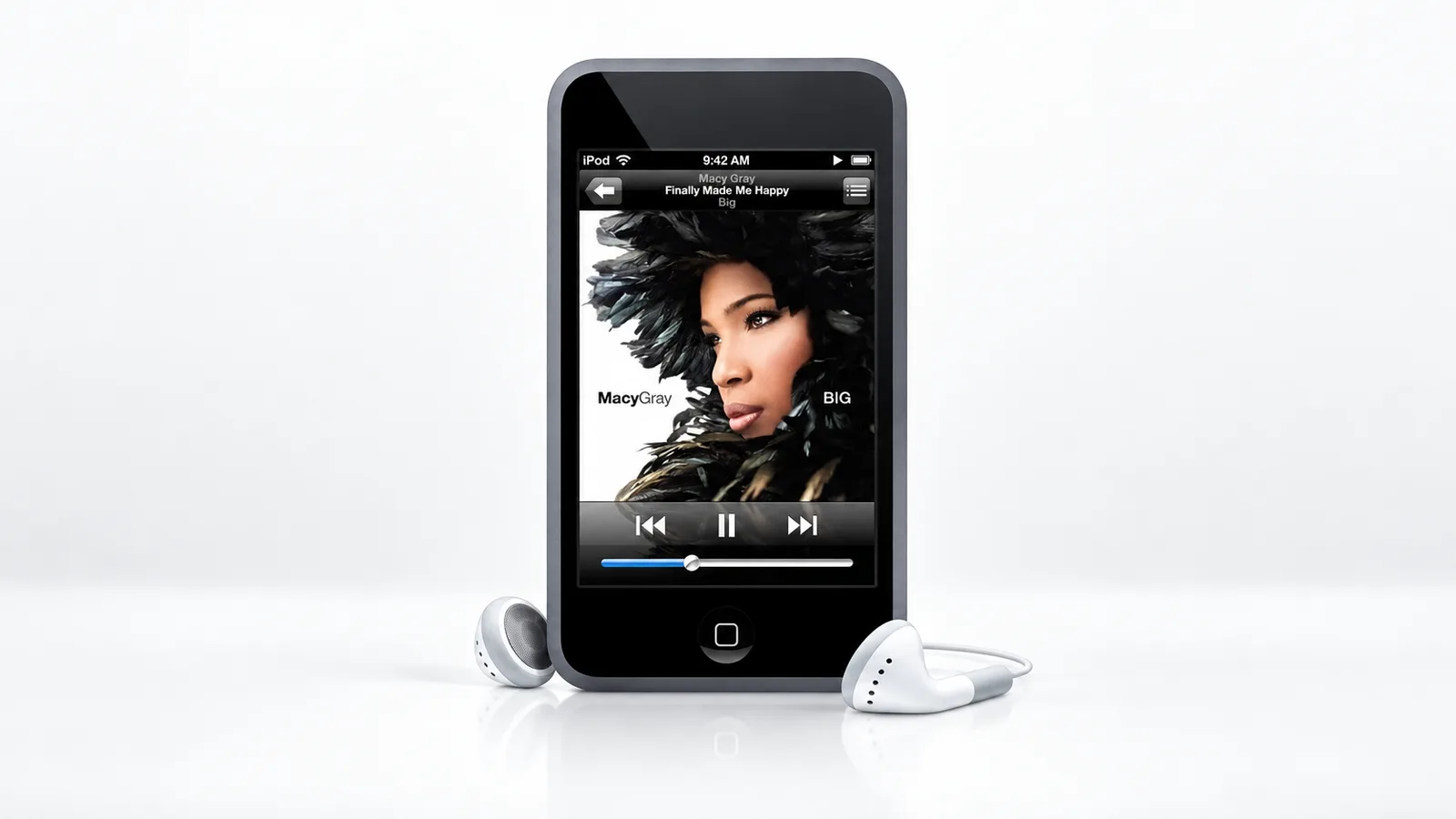
Nineteen years ago today, Apple began selling the first iPod touch, a device that carried the iPhone's touchscreen experience into the company's music player lineup for the first time. The player reached general availability on September 14, 2007, just over a week after Steve Jobs introduced it at the company's "The Beat Goes On" media event.
What made the iPod touch different
The iPod touch brought several iPhone hallmarks to a device that was not a phone. It featured the same multi-touch interface, built-in Wi-Fi, and the Safari web browser, giving iPod owners a way to browse the web without a computer. Crucially, it left out cellular connectivity and a camera, positioning it below the iPhone in Apple's range.
Apple pitched the device as a pocket-sized gateway to the web and to music. Buyers could shop for songs wirelessly through the iTunes Wi-Fi Music Store, a feature that leaned on the built-in Wi-Fi to complete purchases on the go rather than syncing through a desktop.
Pricing at launch
The iPod touch arrived in two storage options. The 8GB model sold for $299, while the 16GB version cost $399. The pricing slotted it into Apple's iPod family as a premium option that offered far more than traditional click-wheel players of the era.
A long run before retirement
The iPod touch went on to become a durable part of Apple's product catalog. Over the following years the company released seven generations of the device, gradually updating it with faster chips, cameras and support for newer versions of iOS. For many users, especially younger buyers and those without a cellular plan, it served as an affordable entry point into Apple's app ecosystem.
Apple discontinued the iPod touch in 2022, closing the book on the iPod brand that had defined portable music in the 2000s. Its retirement reflected how the iPhone had absorbed nearly every function the touch once offered, from music playback to web browsing and app access.
Why the anniversary matters
The iPod touch anniversary is a reminder of how quickly Apple extended its touchscreen platform beyond the iPhone. By putting the same interface into a lower-cost device, Apple broadened access to iOS apps and helped establish the App Store as a mainstream platform. Looking back, the iPod touch bridged the gap between the classic iPod and the smartphone era, and its long production run underscores how central the touchscreen approach became to the company's strategy.