By
By 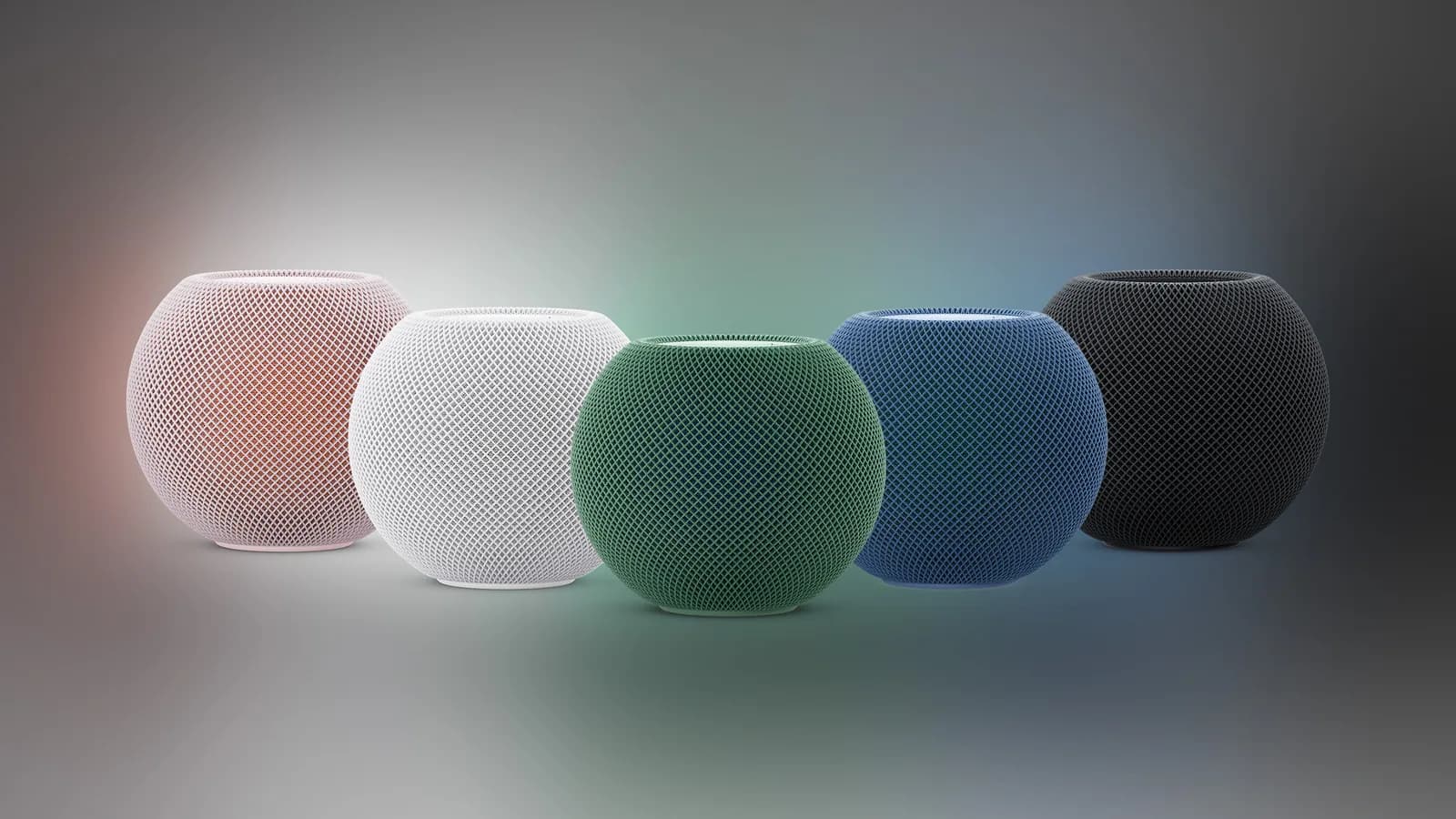
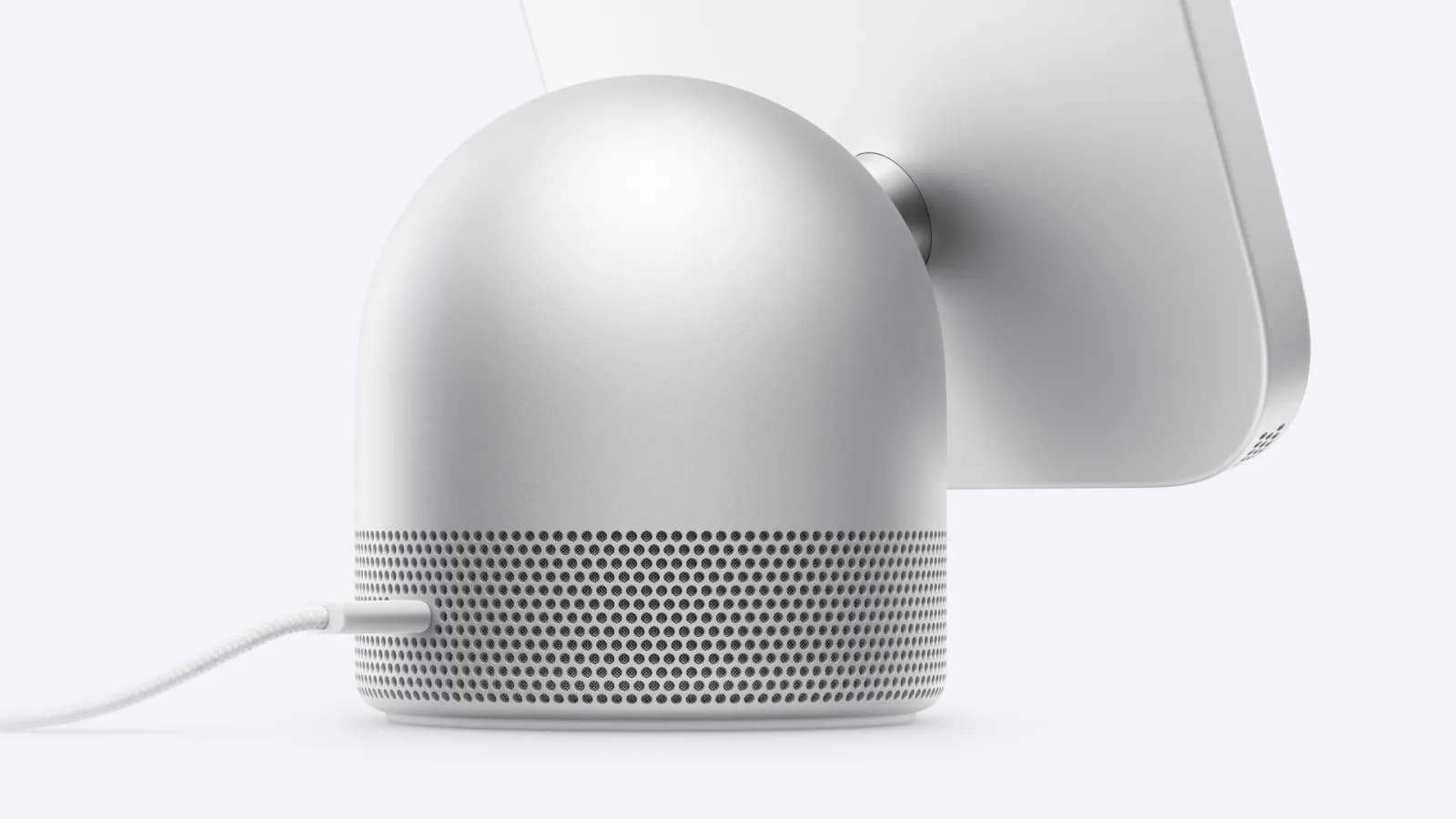
Apple has announced the HomePod mini 2, the first major hardware update to its compact smart speaker in six years. The new model keeps the original’s spherical design and core audio hardware, but adds an S10 chip, Wi-Fi 6E, new Mac and Apple TV capabilities, Sound Glow lighting, and planned support for Siri AI.
The HomePod mini 2 costs $149 in the United States. That is $20 more than the original HomePod mini’s final Apple price of $129, although the first-generation model launched at $99 in 2020. Pre-orders are open, with availability scheduled to begin October 30.
HomePod mini 2 and HomePod mini: What stays the same
Both speakers use a full-range driver, two passive radiators and an acoustic waveguide designed to deliver 360-degree sound. They also share temperature and humidity sensors, Thread networking, Ultra Wideband proximity features, AirPlay multiroom audio, stereo pairing, Intercom, smart home controls and Sound Recognition.
The physical dimensions are unchanged at 3.3 inches tall and 3.9 inches wide. Both models include a 20W power adapter, although the newer speaker weighs slightly less at 0.74 pound compared with 0.76 pound for the original.
The HomePod mini 2 also retains the original speaker’s general approach to computational audio. Apple has not provided a quantified improvement in sound quality, and the driver arrangement itself has not changed.
What’s new in the HomePod mini 2
- S10 chip: The newer processor replaces the original’s S5 chip and enables enhanced computational audio.
- Faster wireless connections: Wi-Fi 6E replaces Wi-Fi 4, while Bluetooth moves from version 5.0 to version 6.
- Sound Glow: The backlit touch surface can display animations that react to music, album artwork and soundscapes.
- Mac speaker support: A HomePod mini 2 can serve as the default speaker for Macs with Wi-Fi 6E or later, either alone or in a stereo pair.
- Apple TV surround sound: Four HomePod mini 2 speakers can form a surround system with the fourth-generation Apple TV 4K. A pair of HomePod mini 2 speakers can also be combined with two second-generation full-size HomePods.
- Siri AI: Apple plans to add more natural conversations, broader general knowledge, improved music discovery and personal-context actions in a future software update.
The new model comes in white, midnight, blue, pink and green. The original was offered in white, midnight, blue, yellow and orange, with space gray previously available.
Is the HomePod mini 2 worth upgrading?
For most owners with a working original HomePod mini, an immediate upgrade is not essential. The first-generation speaker still handles music playback, voice commands, timers, Intercom and smart home automations. Sound Glow and the new colors are mainly aesthetic reasons to replace an existing unit.
The clearest hardware-based upgrade is Mac audio. Owners of a compatible Mac who want a HomePod mini as a default speaker for calls, games or everyday audio gain a capability the original provides only through AirPlay. The new surround sound option is also significant, but it requires the fourth-generation Apple TV 4K, matching speaker pairs and current software. The original HomePod mini cannot be used in that system.
Siri AI could become the most important addition, but it will not be available at launch and Apple has not announced a release date. Apple says the owner of the home must have an Apple Intelligence-compatible iPhone or iPad with Siri AI enabled. Initial support is planned in English across several countries, including the United States, United Kingdom, Canada and Australia.
Which HomePod mini should you buy?
For new buyers, the HomePod mini 2 is the stronger choice when the price difference is only $20. It offers newer wireless hardware, Mac speaker support, surround sound compatibility and eligibility for the upcoming Siri AI features.
A heavily discounted original remains suitable for basic music playback and smart home control. It may also be the right choice for existing owners who want to create a stereo pair, because Apple requires matching HomePod models; a first-generation HomePod mini cannot be paired in stereo with a HomePod mini 2.