By
By 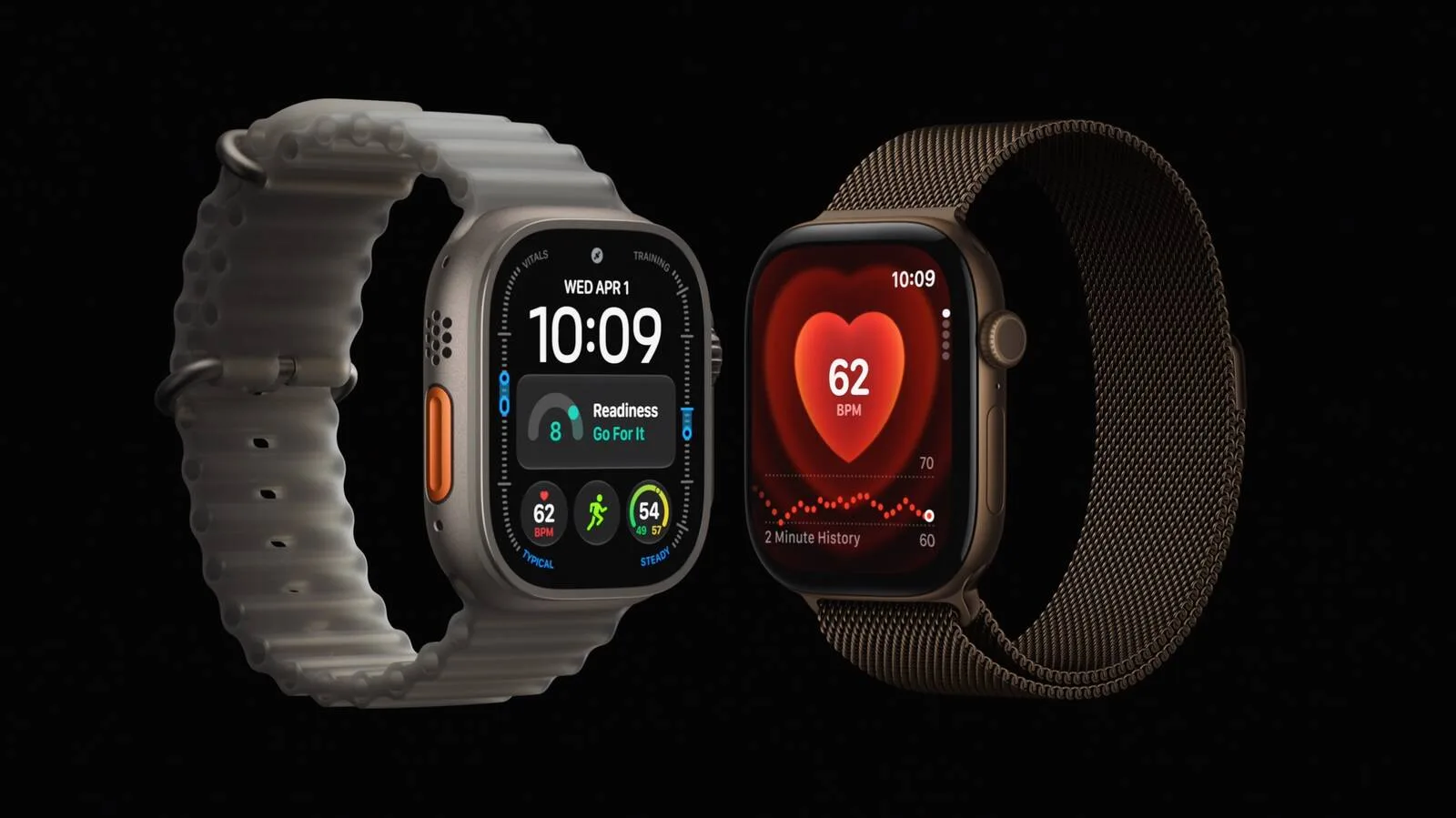
Early reviews of the Apple Watch Series 12 and Apple Watch Ultra 4 point to a stronger health and performance upgrade than their nearly unchanged designs suggest. Both models launch on September 18, with a faster S11 chip, revised heart-rate sensing, improved step tracking and quicker charging.
The biggest changes are inside the watches. Larger LEDs in the optical heart sensor support more accurate and frequent readings, while heart rate variability data is now collected up to 24 times more often. Apple has also added a new Readiness app, although reviewers could not yet fully assess it because the feature needs at least seven nights of data.
Faster performance and charging
The new S11 processor makes a noticeable difference in some everyday tasks. Victoria Song of The Verge found that Siri AI queries completed faster on the Series 12 than on the previous Ultra 3. That improvement could make voice interactions more practical, particularly when users are asking for information or controlling features without reaching for an iPhone.
Battery life remains a limitation on the standard model. Apple continues to give the Series 12 a 24-hour estimate rather than offering multi-day use. However, Song found that charging speed helps offset that constraint: a 20-minute charging session took the watch from 20% to 64%.
The Ultra 4 offers a longer runtime. Chance Miller of 9to5Mac recorded 48 hours between charges, including workout tracking, time away from an iPhone and two nights of sleep tracking. That result matched Apple's stated battery-life claims in his testing.
Readiness feature takes aim at Oura
The new Readiness app is Apple's clearest answer to the recovery and wellness features associated with devices such as the Oura Ring. Vanessa Hand Orellana of CNET noted that Apple's score can change during the day as the watch collects additional data, rather than being delivered only once each morning.
The score ranges from 0 to 10 and includes guidance such as Recover, Pace Yourself, Ready and Go for It. In principle, that could help users adjust their activity after events such as a nap or a change in daytime recovery.
Apple also provides the data behind the score without an additional subscription. Oura offers a readiness score without a subscription, but access to the factors behind it and long-term trends requires a $7 monthly plan, according to CNET.
Reviewers were still waiting for their readiness scores after roughly a week, so the feature's usefulness remains unconfirmed. The watch's more frequent health measurements may eventually make the score more responsive, but longer testing will be needed.
New software features are still pending
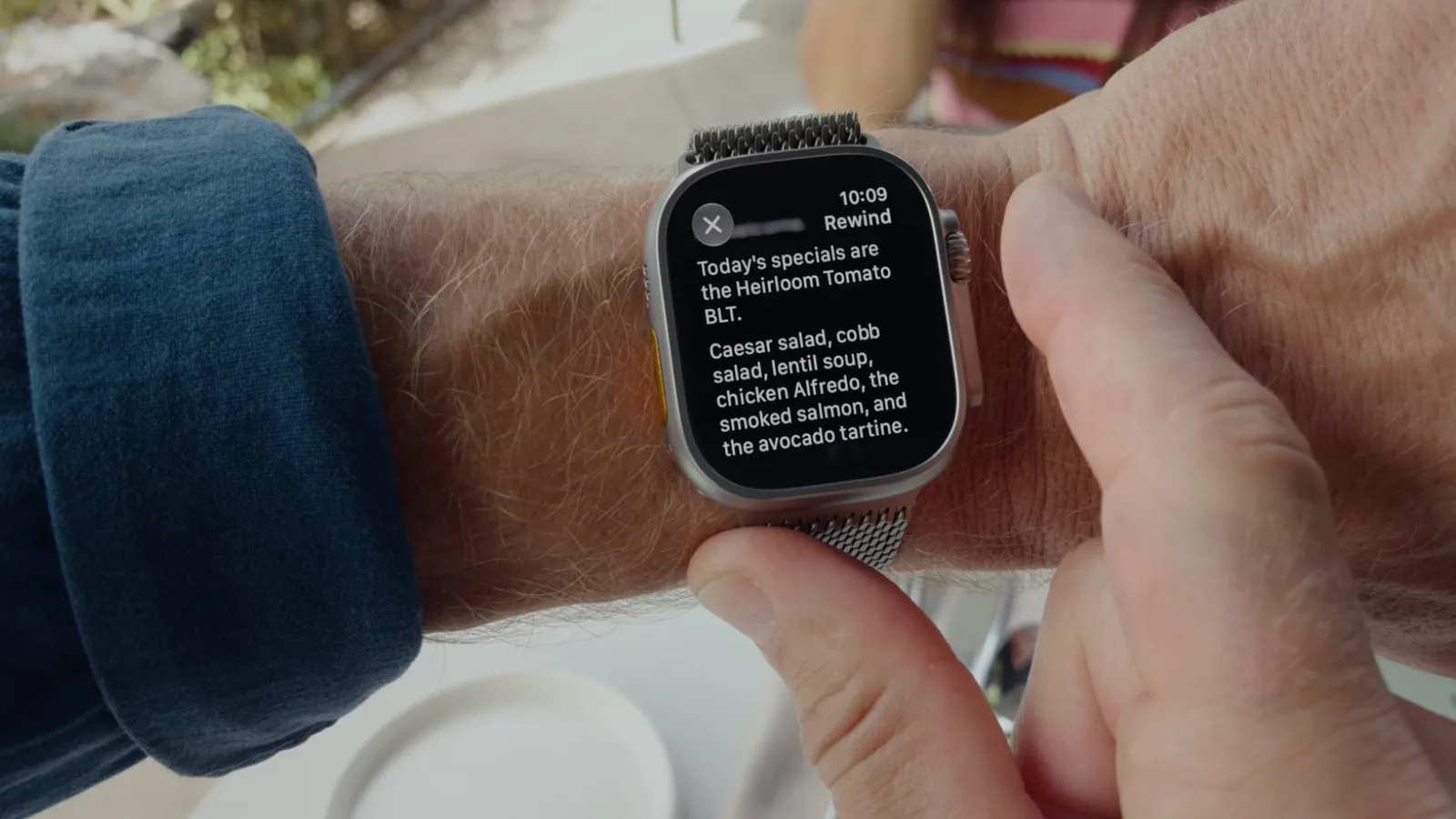
Two Audio Intelligence features, Siri Rewind and Live Recap, were not available during the review period. They are expected later this year through a watchOS update, leaving an important part of the software story untested.
Cherlynn Low of Engadget nonetheless called the new models a solid upgrade, highlighting the revised health-sensing system, expanded gesture support and additional watch face complications. New Series 12 case choices include Light Bronze aluminum, along with Pearl White and Night Blue ceramic options.
Overall, the early verdict favors owners of older Apple Watches who want better health metrics, faster interactions or improved charging. Those with recent models may find fewer reasons to upgrade, especially until Readiness and the delayed Audio Intelligence features can be evaluated in everyday use.