By
By 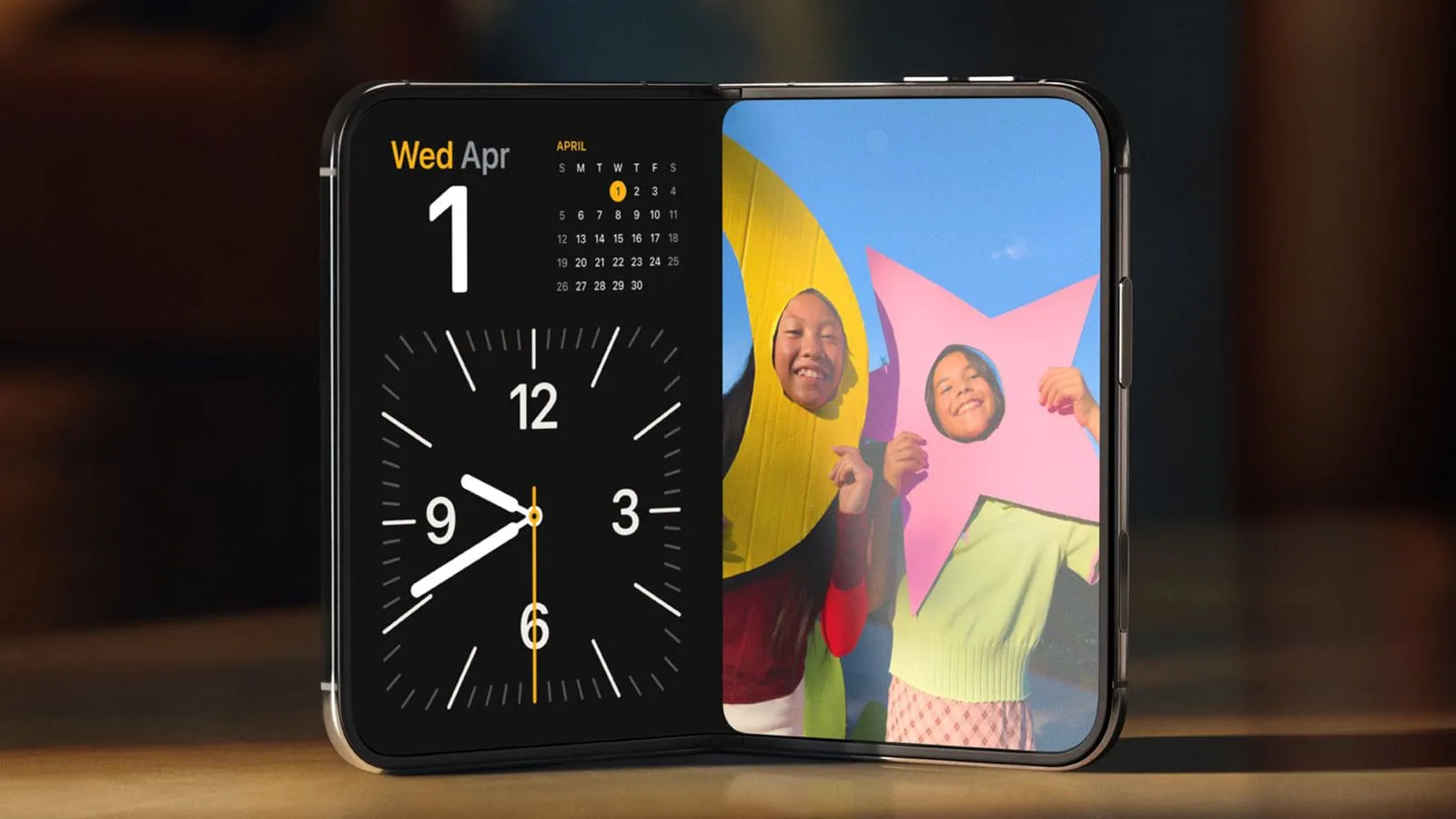
Apple has publicly addressed one of the most persistent questions surrounding its new foldable iPhone Duo: whether the device's inner display shows a crease where it folds. Rather than denying the crease exists, Apple's official product page explains how the company has worked to minimize its visibility.
The iPhone Duo product page includes a direct FAQ entry asking, "Does the inner display of iPhone Duo show a crease where it folds?" Apple's answer does not explicitly confirm or deny a crease, instead describing the display as "wonderfully flat and smooth" thanks to a custom nano-texture finish designed to reduce glare and reflections. According to Apple, optically clear adhesives allow the display layers to move as the screen folds, which the company says helps minimize stress and crease formation.
How Apple's Nano-Texture Display Works
In its press release announcing the iPhone Duo, Apple was more direct about the purpose of the nano-texture finish, stating that the matte surface "minimizes crease visibility" while also improving how the display feels to the touch. This suggests Apple's engineering approach focuses on making an existing crease harder to notice rather than eliminating it outright, a common limitation across foldable devices that becomes more pronounced with repeated folding and unfolding over time.
Durability Details and What's Missing
Apple has not published a specific fold cycle count for the iPhone Duo in its press materials or on its website, a figure that would typically indicate how many times the device can be opened and closed before performance degrades. Instead, Apple describes the hinge mechanism as offering "smooth, balanced resistance for long-lasting reliability," noting the hinge contains more than 100 individual components. The company also says the phone includes support ribs and a titanium panel positioned beneath the display for added structural reinforcement.
This omission stands in contrast to competitors in the foldable market. Samsung, for example, publishes fold cycle ratings for its devices. The Galaxy Z Fold8, which shares a similar form factor to the iPhone Duo, is rated for 500,000 folds, according to a durability report from SamMobile.
Why This Matters for Buyers
For consumers considering a first foldable purchase, crease visibility and long-term durability remain top concerns, since foldable screens are inherently more prone to wear than traditional flat displays. Apple's messaging suggests the company is confident in its display engineering but is choosing to frame the conversation around reduced visibility rather than making bold claims about eliminating the crease entirely.
The iPhone Duo is scheduled to launch on October 23, with pre-orders opening on October 16. As reviewers and early buyers get hands-on time with the device, real-world testing should reveal how noticeable the crease actually is and how the display holds up after repeated use.