By
By 
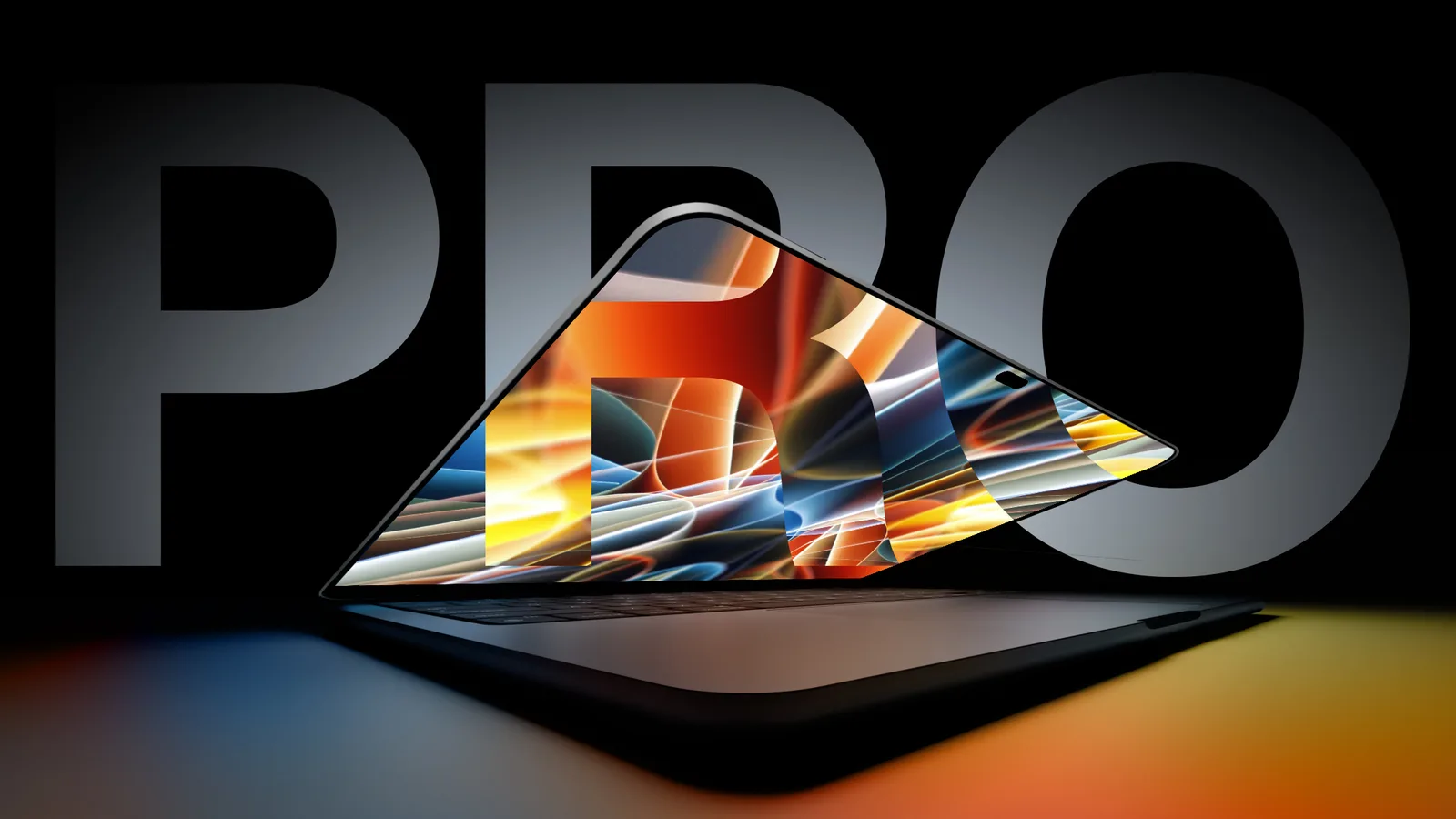
Apple's upcoming OLED MacBook Pro models are reportedly not scheduled to receive new M7 Pro and M7 Max processors until late 2027. Instead, the high-end laptops are expected to use the existing M5 Pro and M5 Max chips found in current MacBook Pro models.
Mark Gurman said on his podcast that Apple is effectively finished with its M6 chip plans. The company has introduced the standard M6 in the Mac mini and is still expected to bring it to an iMac and an entry-level 14-inch MacBook Pro, but it reportedly does not plan to produce M6 Pro, M6 Max or M6 Ultra versions.
OLED MacBook Pro may keep current high-end chips
The reported strategy would take Apple from the current M5 Pro, M5 Max and M5 Ultra generation directly to the M7 family for its higher-performance chips. The M5 Pro and M5 Max launched in March and are currently used in Apple's professional MacBook Pro models.
That means the OLED MacBook Pro redesign could bring a major display change without introducing a new processor generation. The report does not provide a specific launch date for the OLED models, but says the high-end touchscreen MacBook Pro configurations will eventually use M7 Pro and M7 Max chips near the end of 2027.
Apple's reported M7 chip roadmap
Apple is also expected to release a lower-end MacBook Pro with the standard M7 chip during 2027. The higher-end M7 Pro and M7 Max models would follow at the end of that year, according to Gurman's comments.
An M7 Ultra chip is reportedly planned for the first half of 2028. Because of that timing, a new Mac Studio using the next Ultra processor is considered unlikely in 2027. The schedule could leave Apple's desktop lineup without an M6 Ultra generation.
Why Apple may be skipping M6 Pro and Ultra chips
Apple is reportedly redirecting development resources toward the M7 family rather than completing a full M6 range. Gurman said the M7 chips will include technologies aimed at artificial intelligence workloads, suggesting that AI performance is one reason for the change in Apple's chip roadmap.
For buyers considering a professional MacBook Pro, the reported plan points to a trade-off: the upcoming OLED models may offer the next major MacBook Pro design refresh while retaining the same high-end processors as current models. Anyone specifically seeking Apple's next professional chip generation may need to wait for the M7 Pro and M7 Max versions in late 2027.