By
By 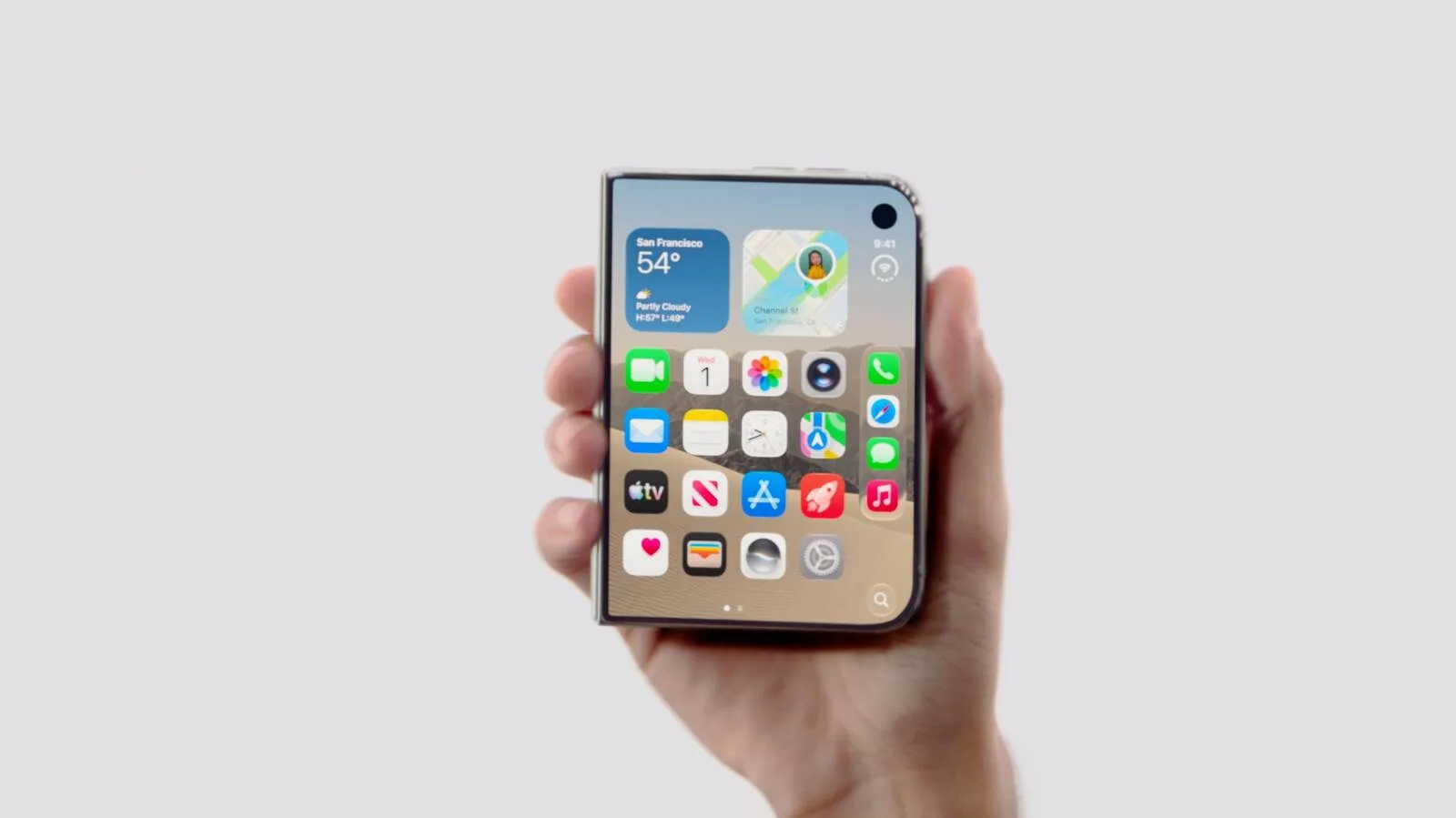
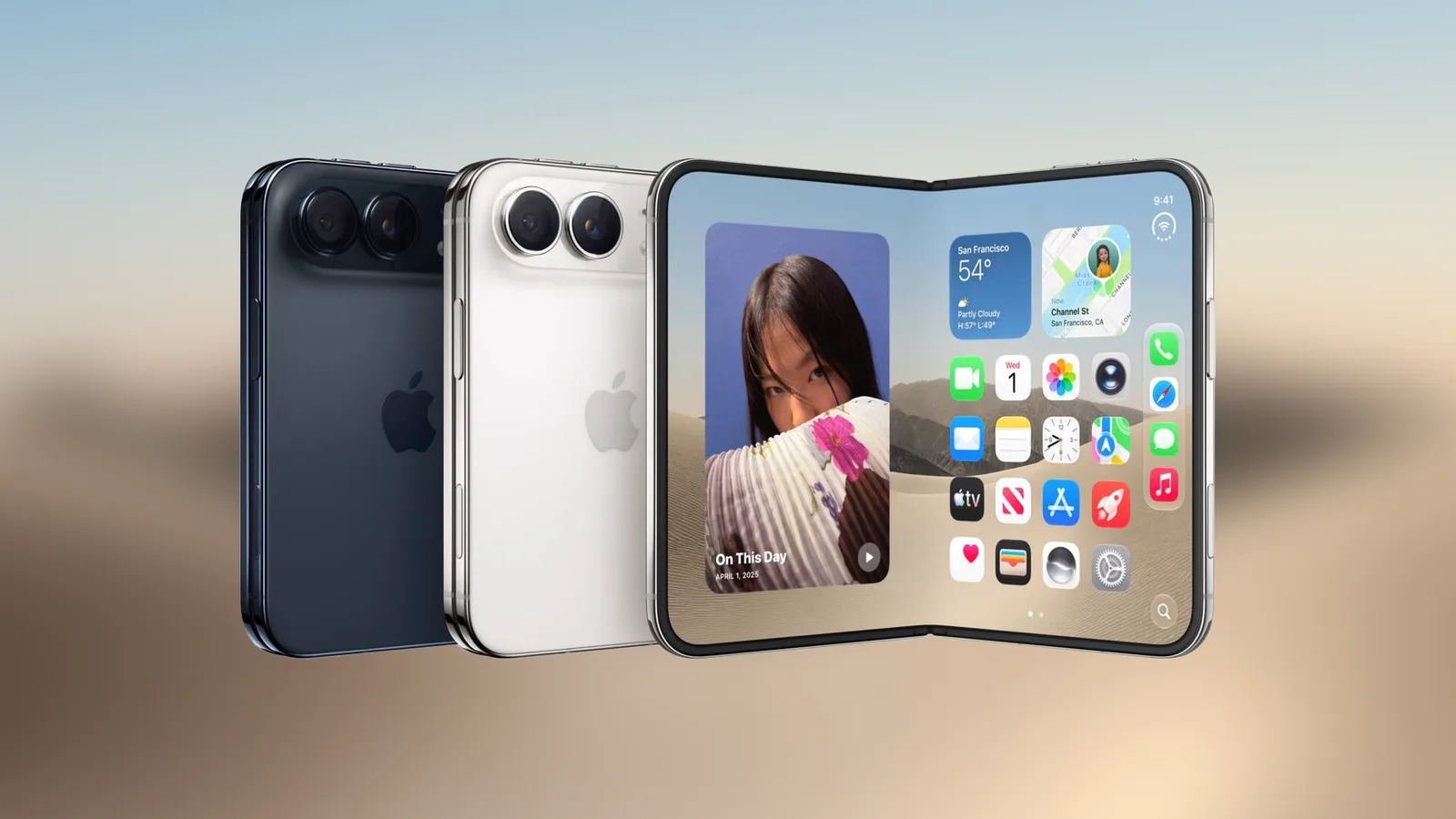
Apple has published an EU energy label for the iPhone Duo that lists the device’s total battery capacity as 4,883 mAh. The figure provides the first official capacity detail for the eSIM-only iPhone model and appears to match an earlier leak.
The battery capacity is shown as a combined total rather than a single cell rating. Previous leaked information indicated that the iPhone Duo uses two cells rated at 2,962 mAh and 1,921 mAh, which add up to 4,883 mAh.
What Apple’s energy label reveals
Apple’s regulatory document identifies the iPhone Duo’s total battery capacity, but the information does not describe real-world battery life. Battery performance can vary depending on factors such as display use, network conditions, software, and background activity.
The capacity should apply to iPhone Duo models worldwide, according to the available information. Because the device is eSIM-only, there is no physical SIM card tray that would require a different internal layout or leave room for a slightly smaller battery in some markets.
How the iPhone Duo compares with other iPhones
The iPhone Duo’s listed capacity sits between the capacities reported for the eSIM-only iPhone 18 Pro and iPhone 18 Pro Max. iFixit found a 4,288 mAh battery in the iPhone 18 Pro, while the iPhone 18 Pro Max has a 5,567 mAh battery.
- iPhone Duo: 4,883 mAh
- iPhone 18 Pro: 4,288 mAh
- iPhone 18 Pro Max: 5,567 mAh
That gives the iPhone Duo a larger listed capacity than the iPhone 18 Pro, but a smaller one than the iPhone 18 Pro Max. Capacity alone does not establish which model will last longer between charges, since battery life also depends on each phone’s hardware and power management.
Why the battery detail matters
Battery capacity is one of the clearest hardware specifications for comparing smartphones, particularly when manufacturers promote battery life without always publishing the underlying cell size. Apple’s EU energy documentation gives buyers and repair specialists a concrete figure for the iPhone Duo.
The document also adds regulatory support to the previously reported two-cell configuration. It does not, however, provide additional details about charging speed, battery life ratings, or how the iPhone Duo compares with other models under standardized testing.