By
By 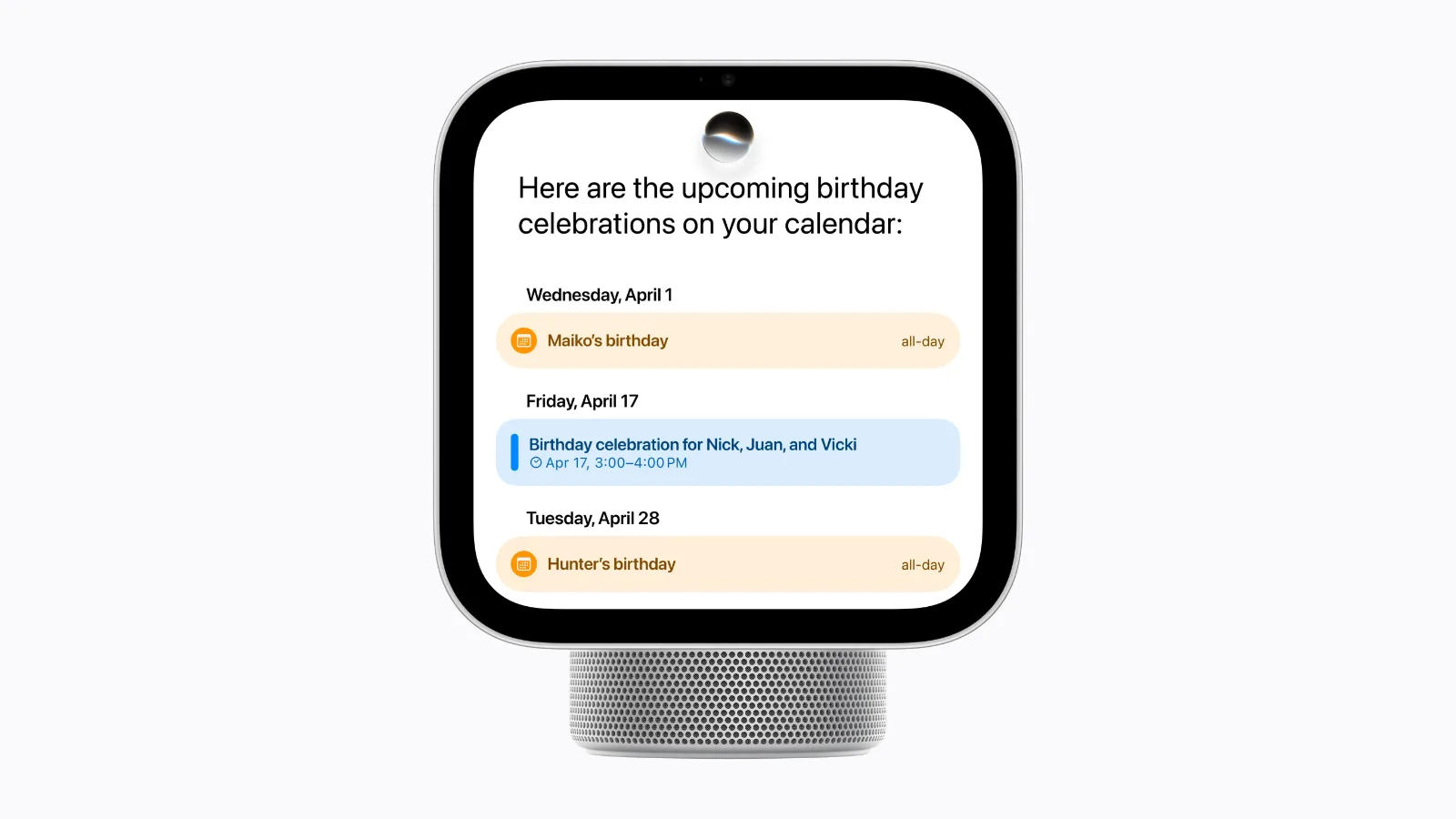
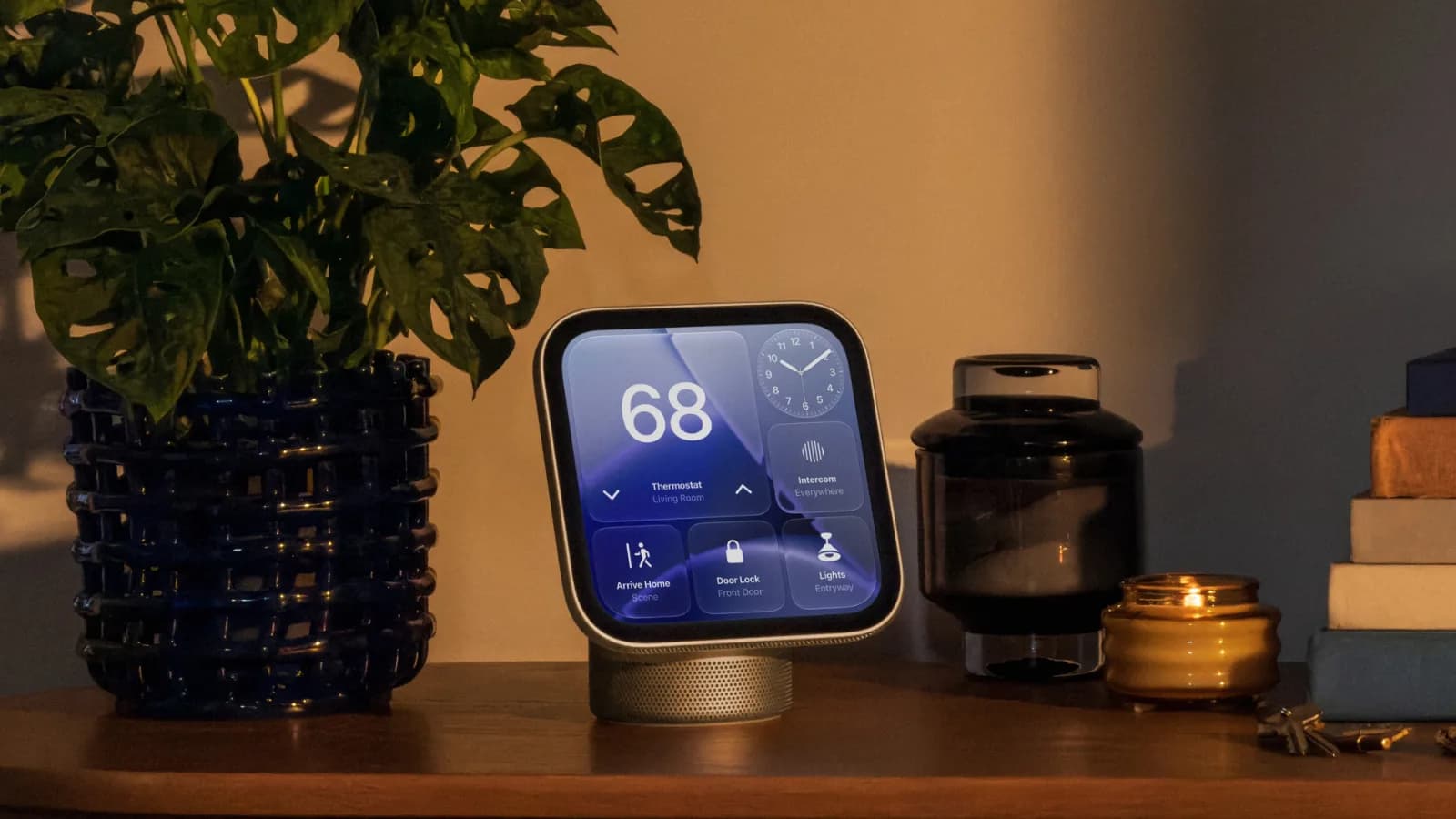
Apple has outlined five privacy features designed to protect personal information on HomeView, its shared household device. The system can recognize up to six people and give each person a personalized Home Screen, while still allowing a household to share selected albums, music, and other content.
Apple says private information is shown only when HomeView recognizes the enrolled user and their paired iPhone or iPad is normally nearby, recently unlocked, and connected as expected. The approach is intended to let multiple people use one device without automatically exposing each person’s messages, calendar details, or other personal content.
Personalized access for up to six people
Each recognized user receives an individual Home Screen with personalized apps and widgets. Shared photo albums and music can remain available to everyone in the household, including guests, but apps such as Messages and Calendar require additional checks before personal information appears.
HomeView must recognize the user’s face, and their paired iPhone or iPad generally needs to be present and recently unlocked. Apple also describes an exception for situations in which the paired device disconnects from Wi-Fi.
In that case, personal information may still be accessible if HomeView recognizes the user and the paired iPhone or iPad was recently connected to the same Wi-Fi network, has an active cellular connection, remains in the same location, and was recently unlocked.
Secure hardware for camera and microphone data
HomeView’s A18 chip includes Secure Exclaves, a protected processing environment for camera and microphone data. Apple says these components are isolated from the rest of the system, preventing other parts of the chip from accessing their processing environments.
According to Apple, data analyzed inside Secure Exclaves cannot be accessed by HomeView’s software, apps, users, or Apple itself. This hardware separation is intended to limit exposure of information captured by the device’s sensors.
Private processing for Siri requests
Siri requests receive a separate set of protections. HomeView can process requests directly on the device or use Private Cloud Compute, Apple’s cloud-based system for handling some requests.
Apple says information processed through Private Cloud Compute is not stored and cannot be accessed by Apple or anyone else. That gives HomeView a way to handle requests that require cloud processing without retaining the associated data, according to the company.
Encrypted recognition for compatible cameras
HomeView can work with compatible smart home cameras to identify people, familiar faces, pets, packages, and vehicles. Apple says this recognition is end-to-end encrypted when used with a supported iCloud+ subscription.
Together, the features combine account-level personalization, proximity and device checks, isolated sensor processing, cloud privacy controls, and encrypted smart home recognition. The protections are particularly relevant for households where one HomeView device serves several people with different privacy needs.