By
By 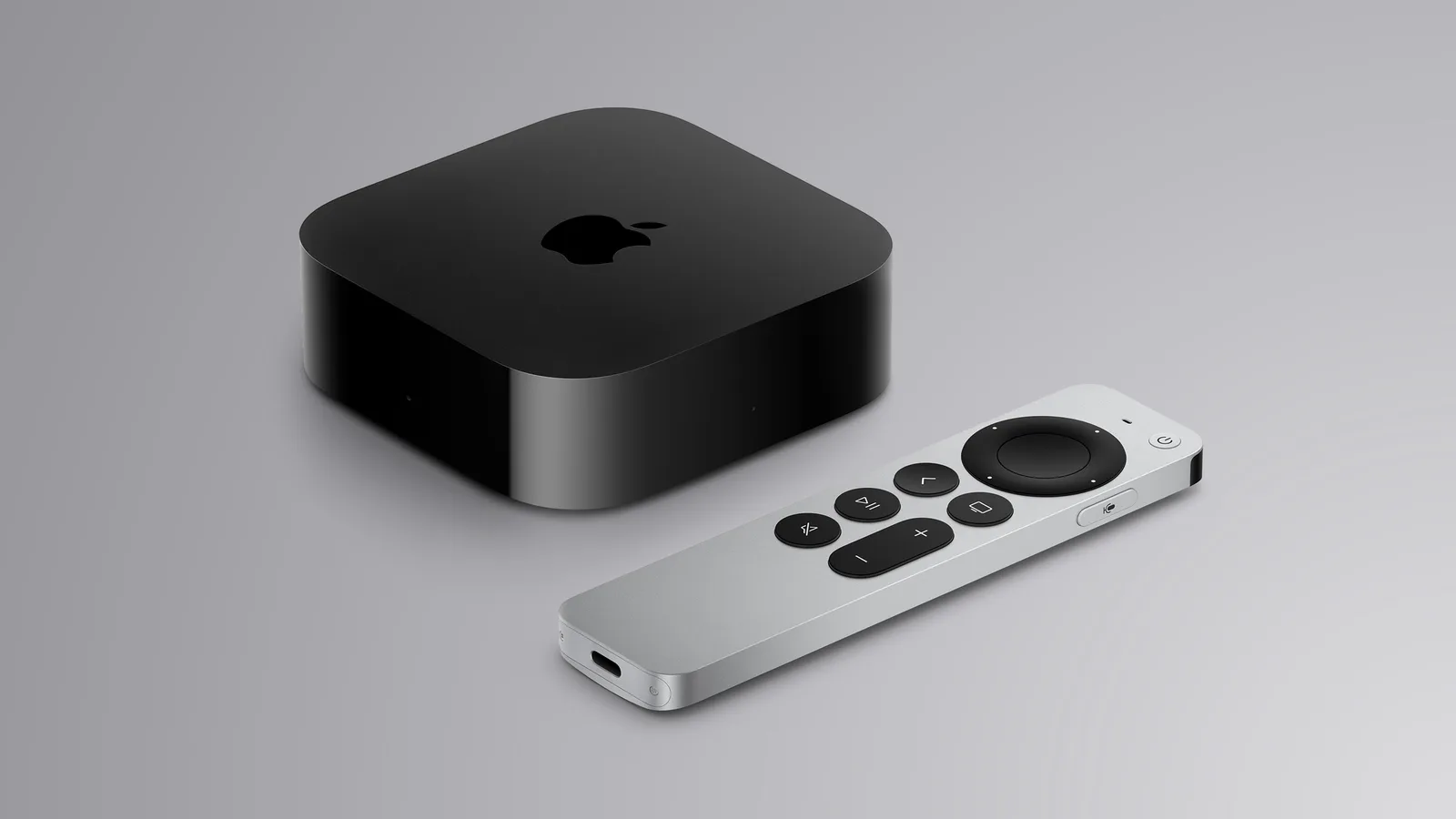
Apple’s new Apple TV 4K and HomePod mini 2 have attracted attention for their higher prices, with Daring Fireball’s John Gruber arguing that the increases are more noticeable than the devices’ new features.
The new Apple TV 4K costs $299 in the United States, while the HomePod mini 2 is priced at $149. That compares with starting prices of $129 for the previous Apple TV 4K and $99 for the earlier HomePod mini before both products became more expensive in late June.
Apple TV 4K price comparison
The comparison is more complicated for the Apple TV because Apple now offers the new model in only one configuration. It includes 128GB of storage and an Ethernet port, making the previous 128GB version the closest equivalent.
That older 128GB Apple TV 4K originally cost $149 and later rose to $249 in late June. On that narrower comparison, the new model is $50 more expensive. However, the entry point for buying a new Apple TV 4K has risen much further, from $129 to $299.
Gruber said he still considers the new Apple TV 4K worth its current price for his own use. His criticism is focused on the broader consumer perspective, particularly because he believes many shoppers already regarded the previous prices as high.
A more expensive Apple TV and HomePod setup
The price difference becomes more pronounced for people who want to pair two HomePod mini speakers with an Apple TV 4K for audio output.
Before the late-June increases, a 128GB Apple TV 4K and two HomePod mini speakers cost $350 in total: $150 for the Apple TV and $100 for each speaker. Buying the equivalent combination using the current models costs $600, based on the $299 Apple TV and two $149 HomePod mini 2 speakers.
That represents an increase of nearly $250 for a three-device setup. For households considering a complete Apple home-theater arrangement rather than a standalone device, the combined cost may therefore matter more than the price of any individual product.
New features face a higher price hurdle
Gruber described the HomePod mini 2’s price as reasonable and did not dismiss either product outright. His point is that Apple’s pricing changes have created a larger barrier for buyers, even as the company presents the new models as updated versions of existing products.
The result is a sharper distinction between enthusiasts who are willing to pay Apple’s current prices and consumers who were already hesitant about the earlier costs. For buyers interested in both products, the total system price is now a central part of the decision.